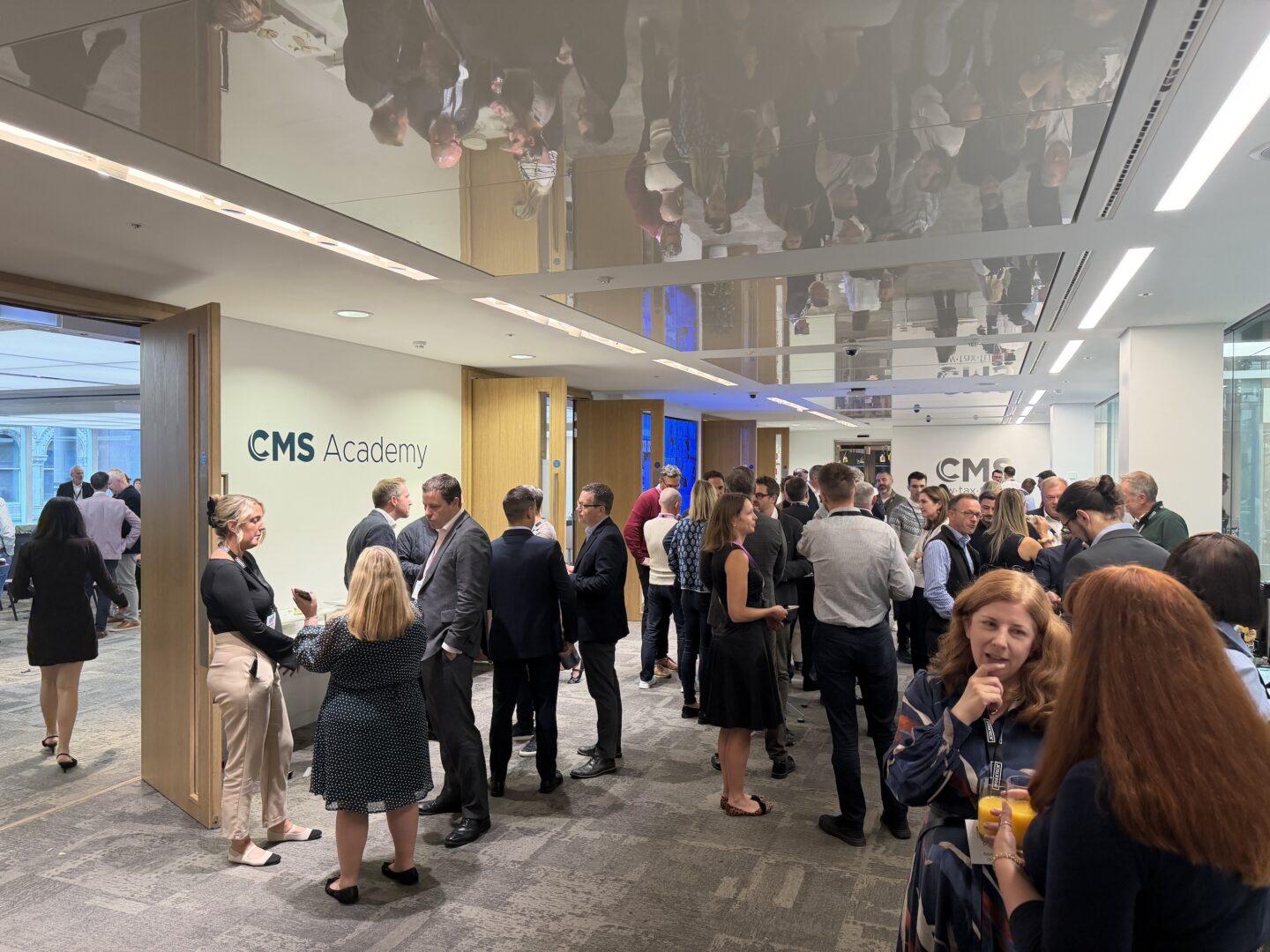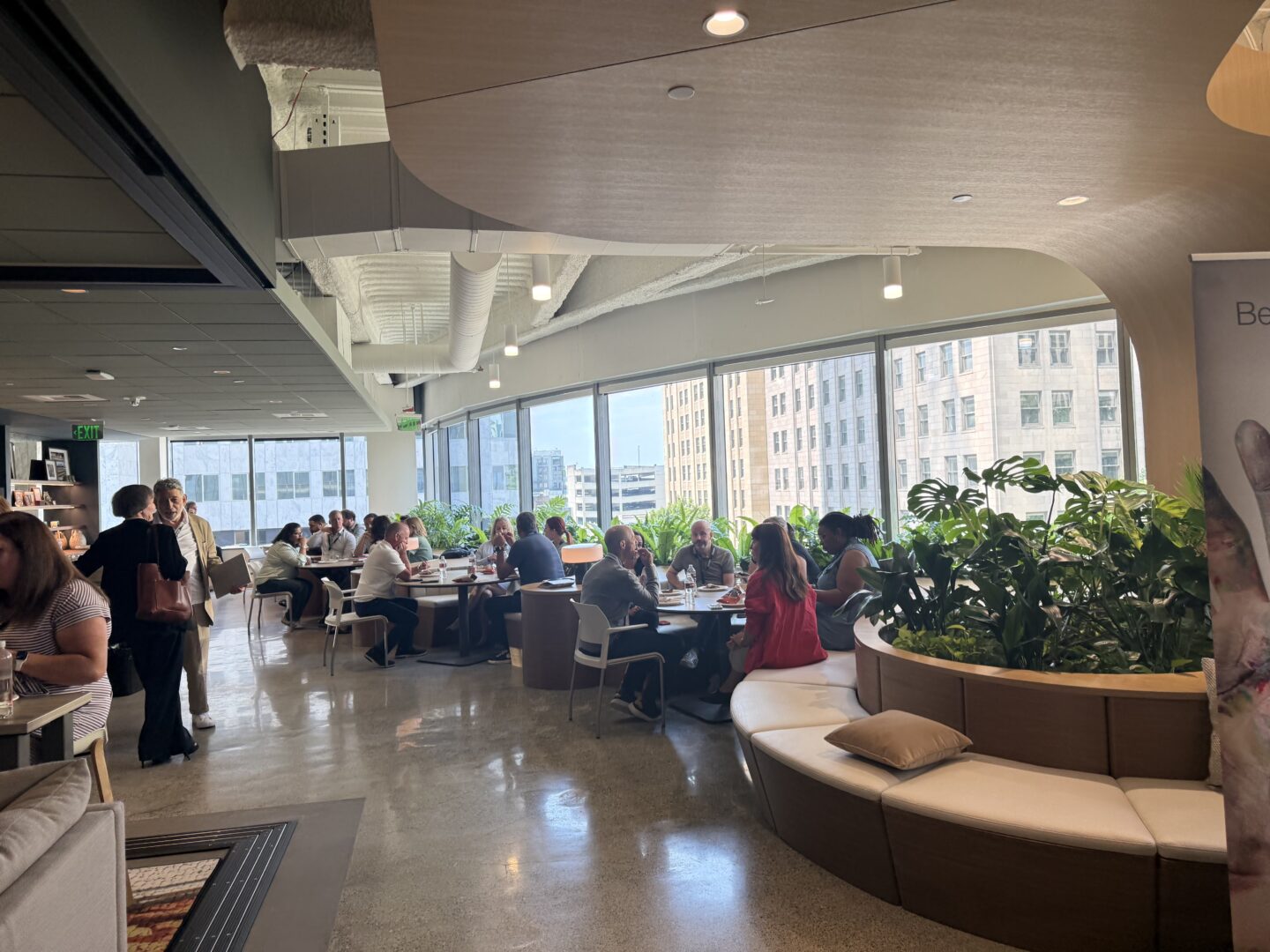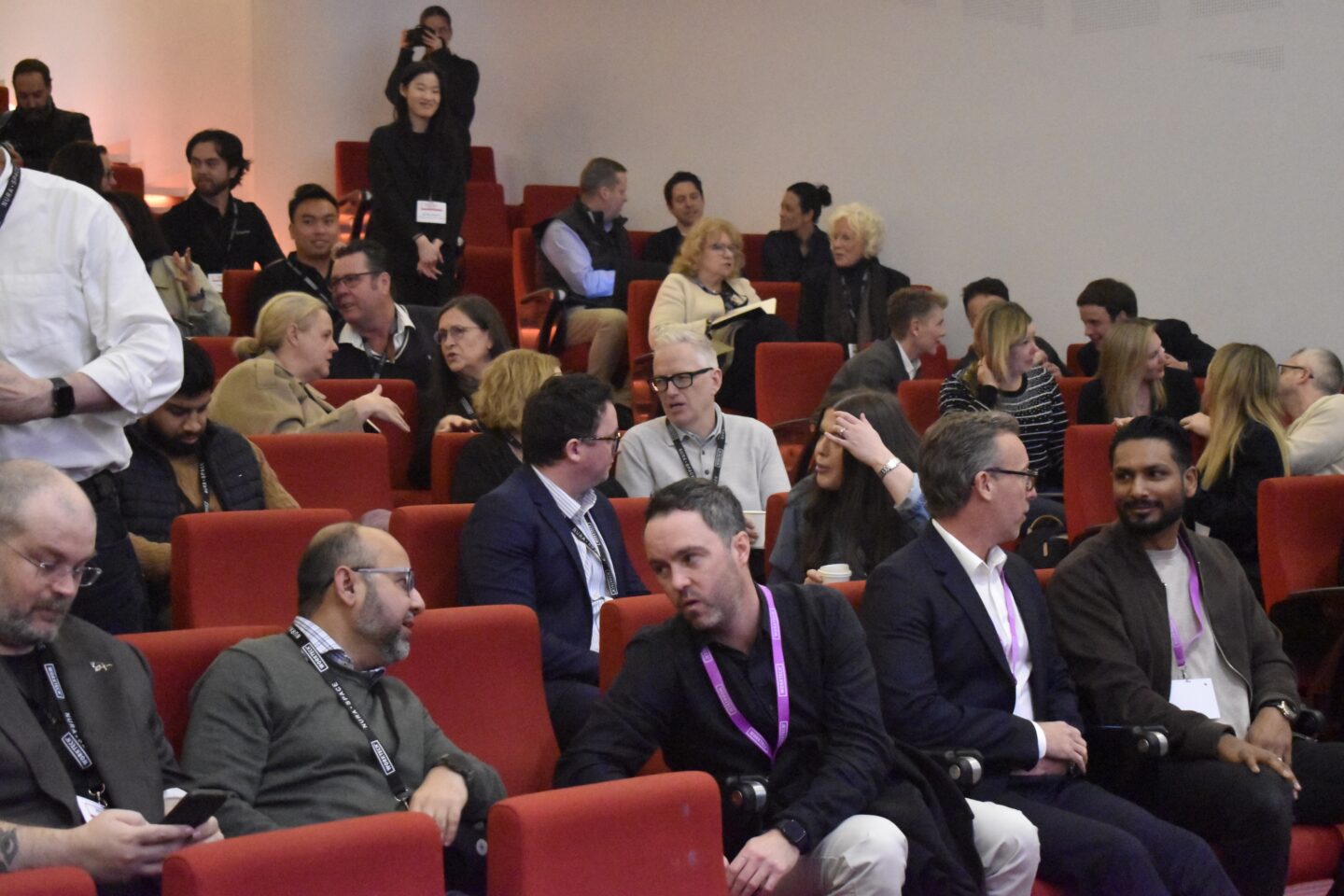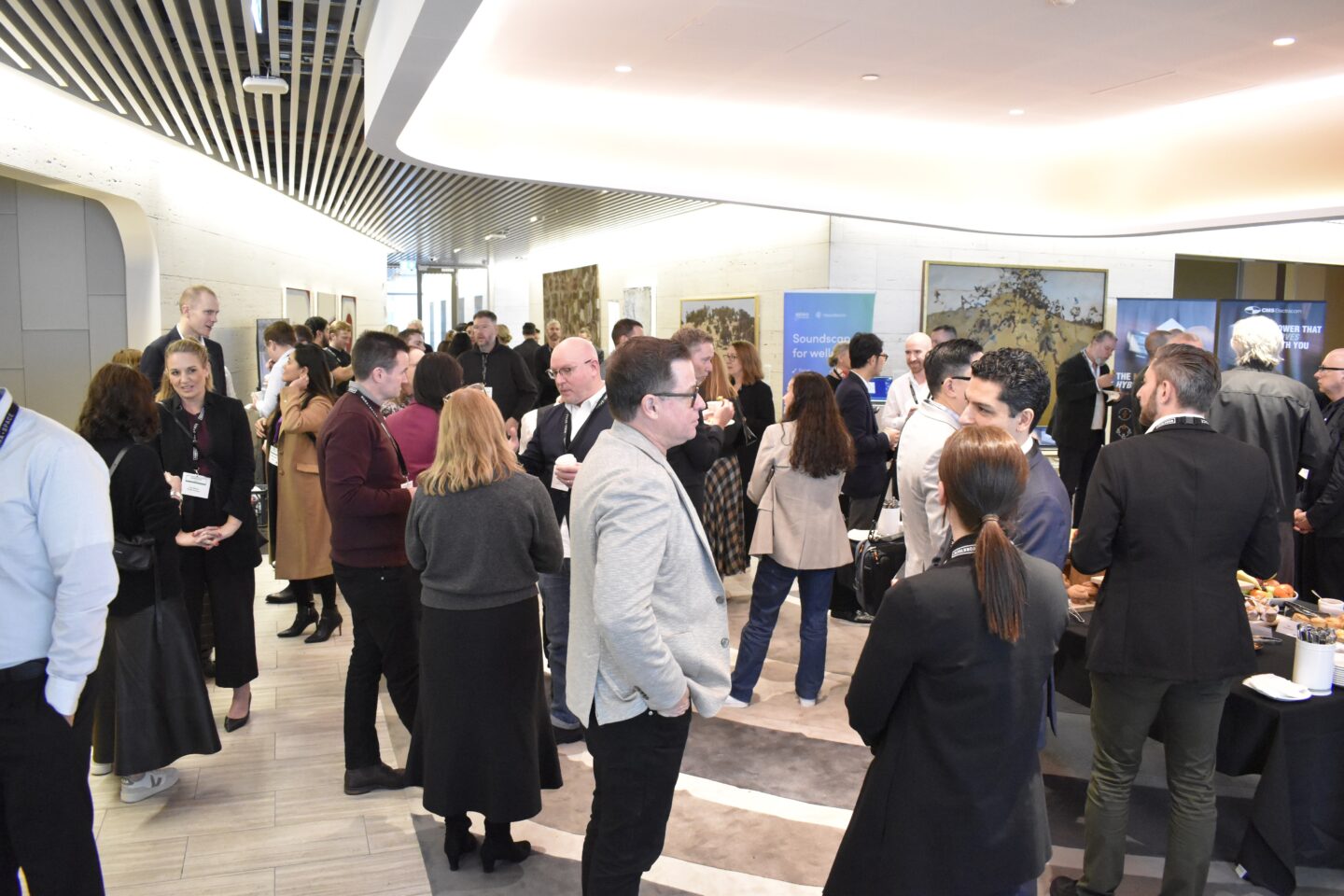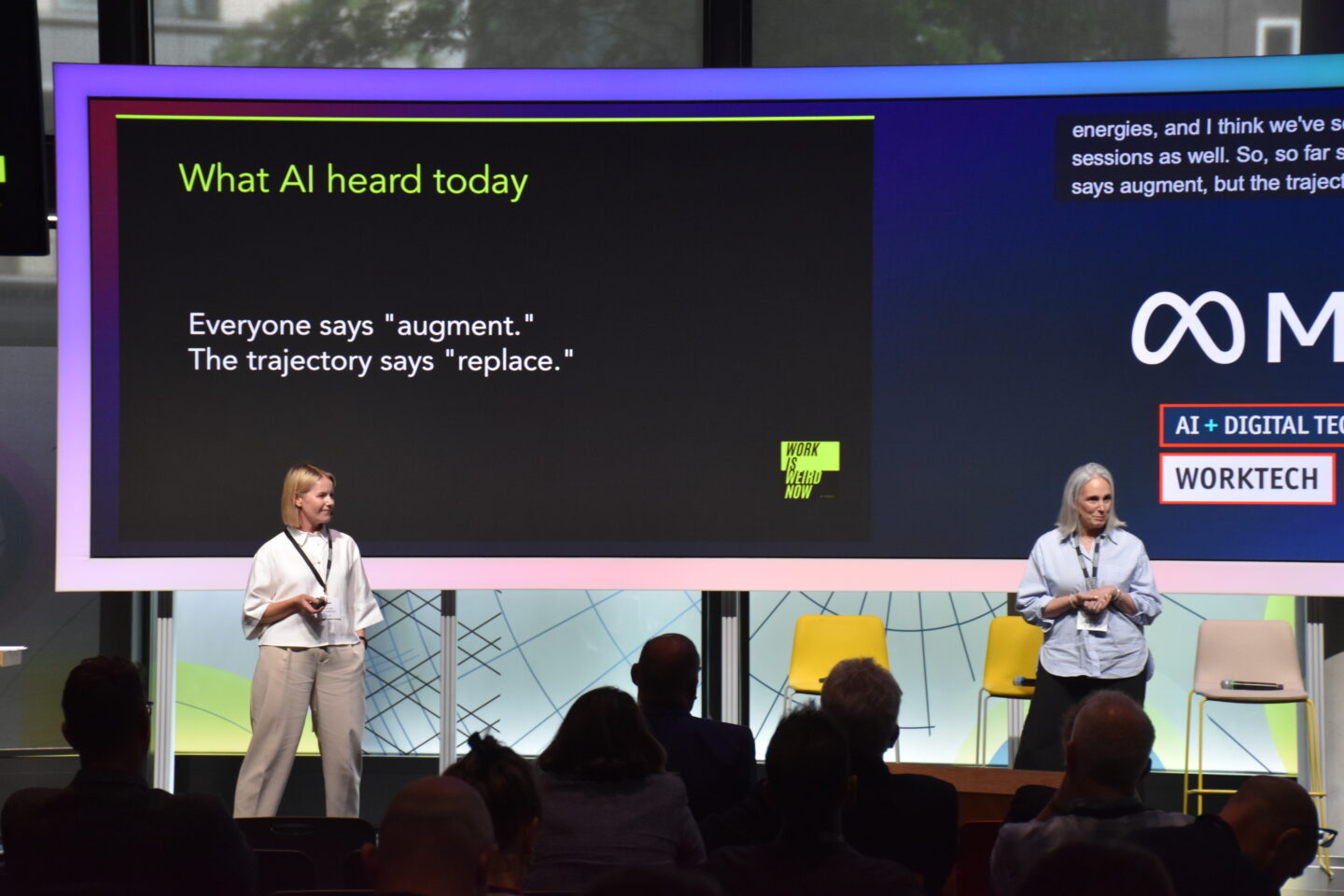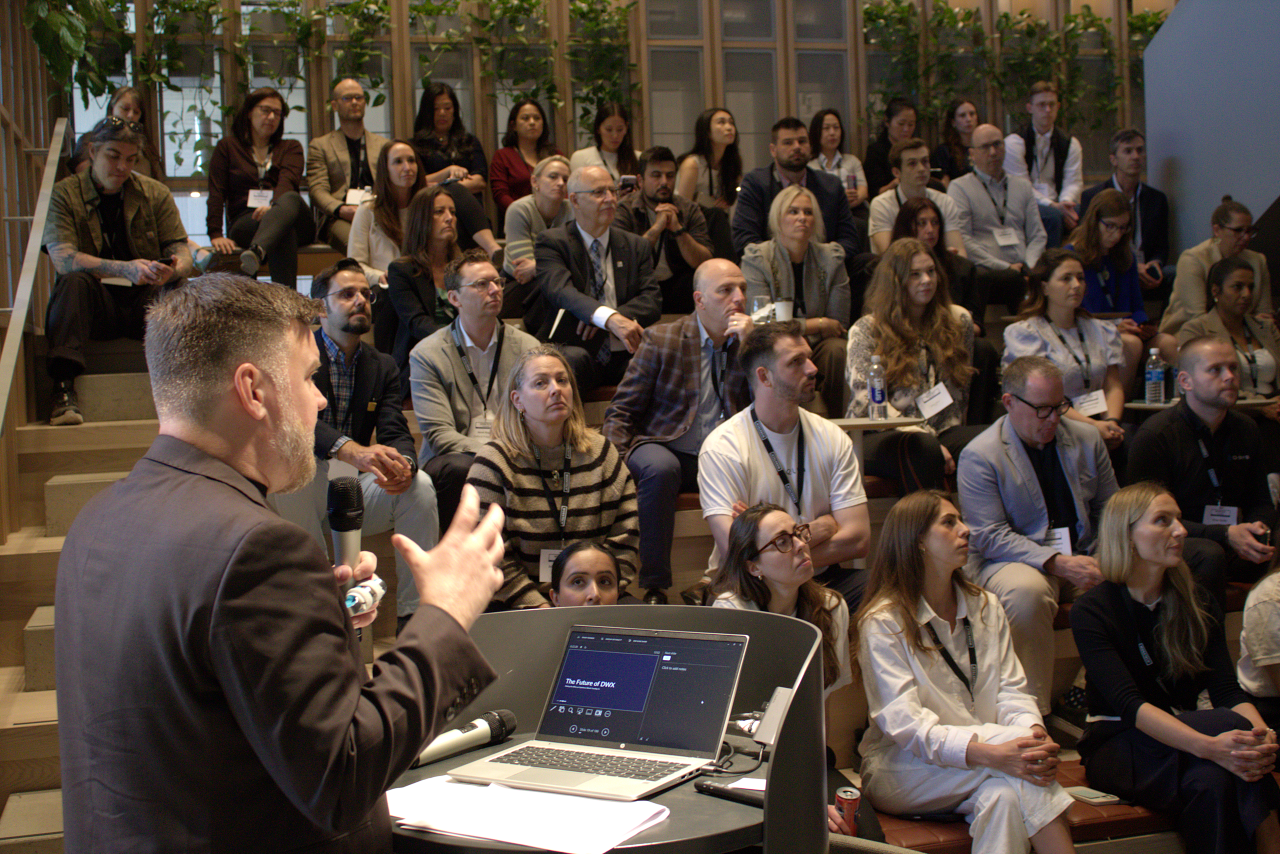
At WORKTECH26 Zurich, hosted at Microsoft Switzerland, a clear message emerged: the future workplace will not be defined by technology alone. AI may reshape how work is organised, decisions are made and buildings are run, but its value will depend on whether organisations can help people learn, adapt and stay meaningfully involved.
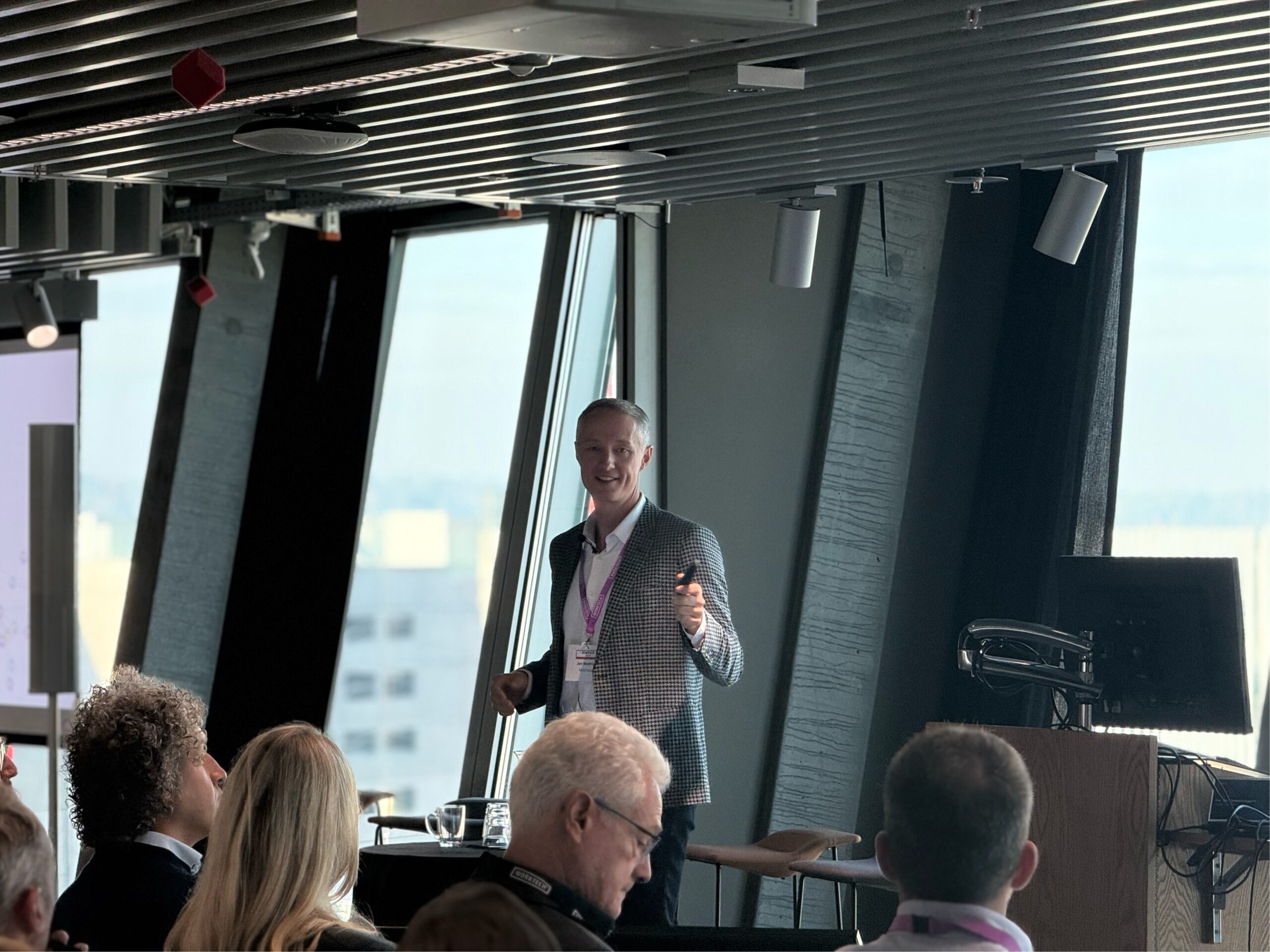
The day began with a challenge to simplistic assumptions about automation. Microsoft Switzerland’s Jan Medřický described the move from using AI for information gathering and basic productivity to deploying more proactive, agentic tools embedded in everyday processes. Yet the shift is not simply about giving every employee a licence. It requires leaders to rethink workflows, invest in AI literacy and judge success by outcomes rather than activity.
That distinction ran through the day. Speakers warned that individual productivity gains do not automatically translate into organisational performance. As one attendee observed, AI can quickly create a large volume of output, but more reports, presentations and messages do not necessarily make a business more effective.
The real task is to redesign work: deciding what should remain human-led, where AI can assist, and how accountability will be maintained.
Research shared by Boston Consulting Group reinforced this point. AI is likely to reshape many roles rather than remove them outright, creating new requirements for workforce planning, reskilling and job design. Organisations need to map tasks carefully, identify where human judgement is essential and prepare people to supervise, govern and work alongside AI agents. Training cannot be treated as a one-off intervention. It must be practical, role-specific and sustained.
Mark Jenkins of SIX Group offered a candid account of what this looks like in a highly regulated environment. The organisation’s Copilot rollout moved from a small initial trial to broad access, supported by testing, data governance, local champions, targeted learning and ongoing measurement. The lesson was that adoption is not achieved by technology deployment alone. Employees need to understand what is in it for them, build habits and receive support as their use becomes more sophisticated.
A fireside discussion on AI adoption added a useful human perspective. The most compelling use cases were not necessarily the most technical. AI was shown helping catering teams plan menus, providing a space for employees to test ideas and challenge assumptions, and offering tailored coaching.
The point was simple: adoption grows when people can see how a tool improves their own work, rather than being asked to use it because the technology is available.
But more AI also brings a risk: cognitive overload. Mindmarq‘s Sylvain Rottier described a growing ‘decision density crisis’, in which knowledge workers face more information, more prompts and more choices at greater speed. The danger is not only fatigue, but weaker judgement, reduced ownership and an increased tendency to accept automated answers without enough scrutiny. In this environment, organisations need to protect attention, create conditions for deep thinking and ensure that humans remain responsible for the decisions that matter.
The workplace itself has a major role to play. In a panel featuring leaders from the Bank for International Settlements, Roche and SAP, delegates heard how workplace intelligence must connect portfolio data with business strategy, employee experience and organisational purpose. Data can inform better decisions, but only if it is trusted, structured and linked to a clear decision-making framework. The most useful metrics are not always the most numerous. At SAP, that can mean focusing on whether people feel a space supports their productivity, rather than becoming lost in a vast and fragmented data set.
Elvis Pidic of Bühler Group demonstrated what this looks like in the physical world. The company has transformed its 160-year-old Uzwil manufacturing site into an innovation campus that connects R&D, education, production, customer engagement and social life. Its approach began with the spaces that affect everyone: restaurants, shared areas and places to meet. The result is a workplace designed not simply for efficiency, but for learning, collaboration and a stronger sense of belonging across office and manufacturing teams.
Other sessions showed that a human-centred workplace extends beyond layout and furniture. A Geneva headquarters project explored how smart-building infrastructure, digital twins and sustainability data can improve experience and operational performance. Meanwhile, Malou von Gleichenstein made the case for ‘sound architecture’: designing workplaces not merely to reduce noise, but to create different emotional and behavioural conditions for focus, interaction, recovery and inclusion.
Closing the day, ETH Zurich’s Nina Indina returned to the central challenge of transformation.
Change does not stick because an organisation sends more communications or tells people to adopt a new mindset. It takes hold when it is relevant to people’s work, supported by social context and made visible through practical examples.
Technology may be the answer, she suggested, but organisations still need to be clear about the question.