As technology reshapes long-established modes of working, London’s legal sector is rethinking not only how services are delivered, but what the future of the whole profession should look like.
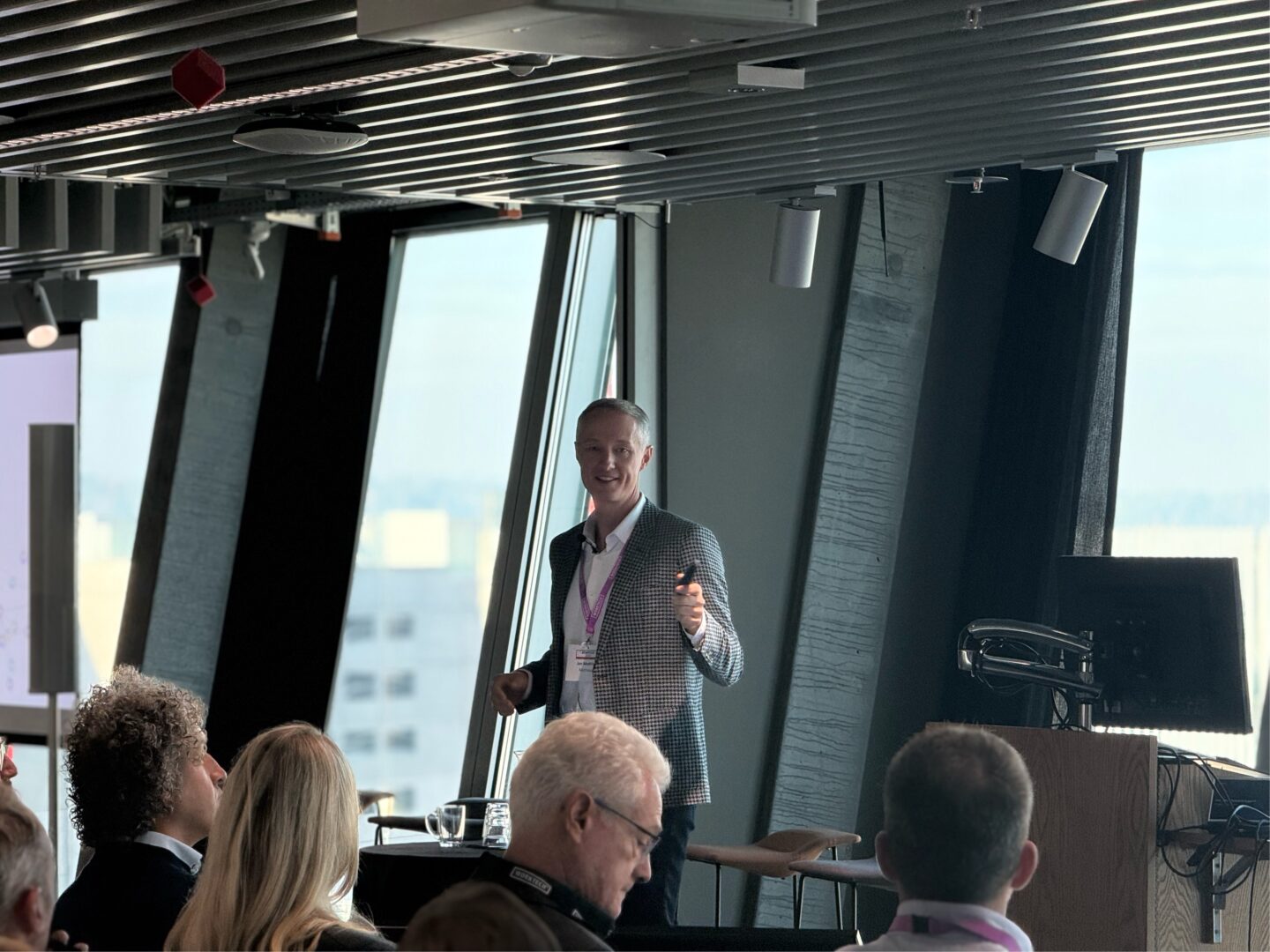
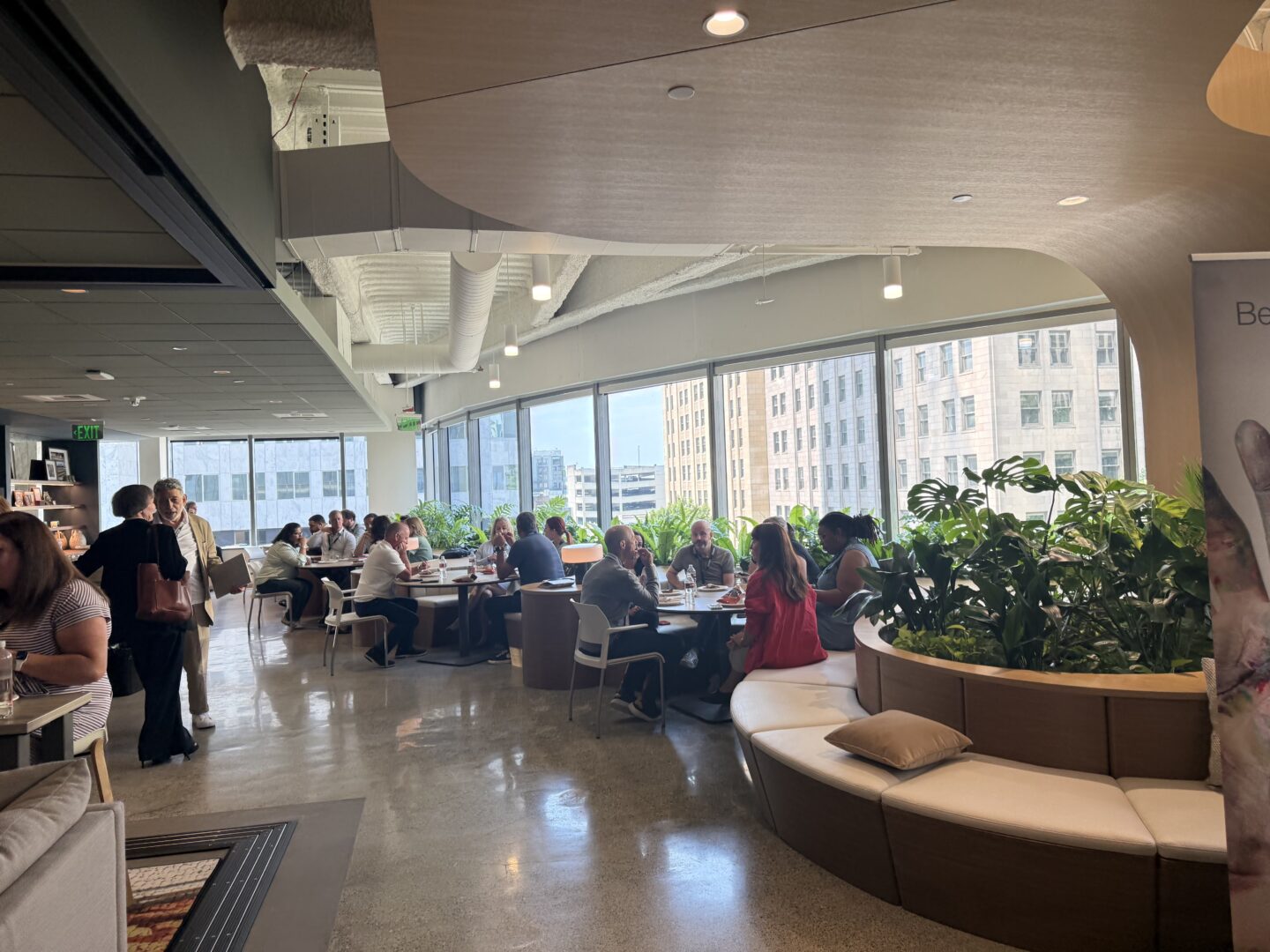
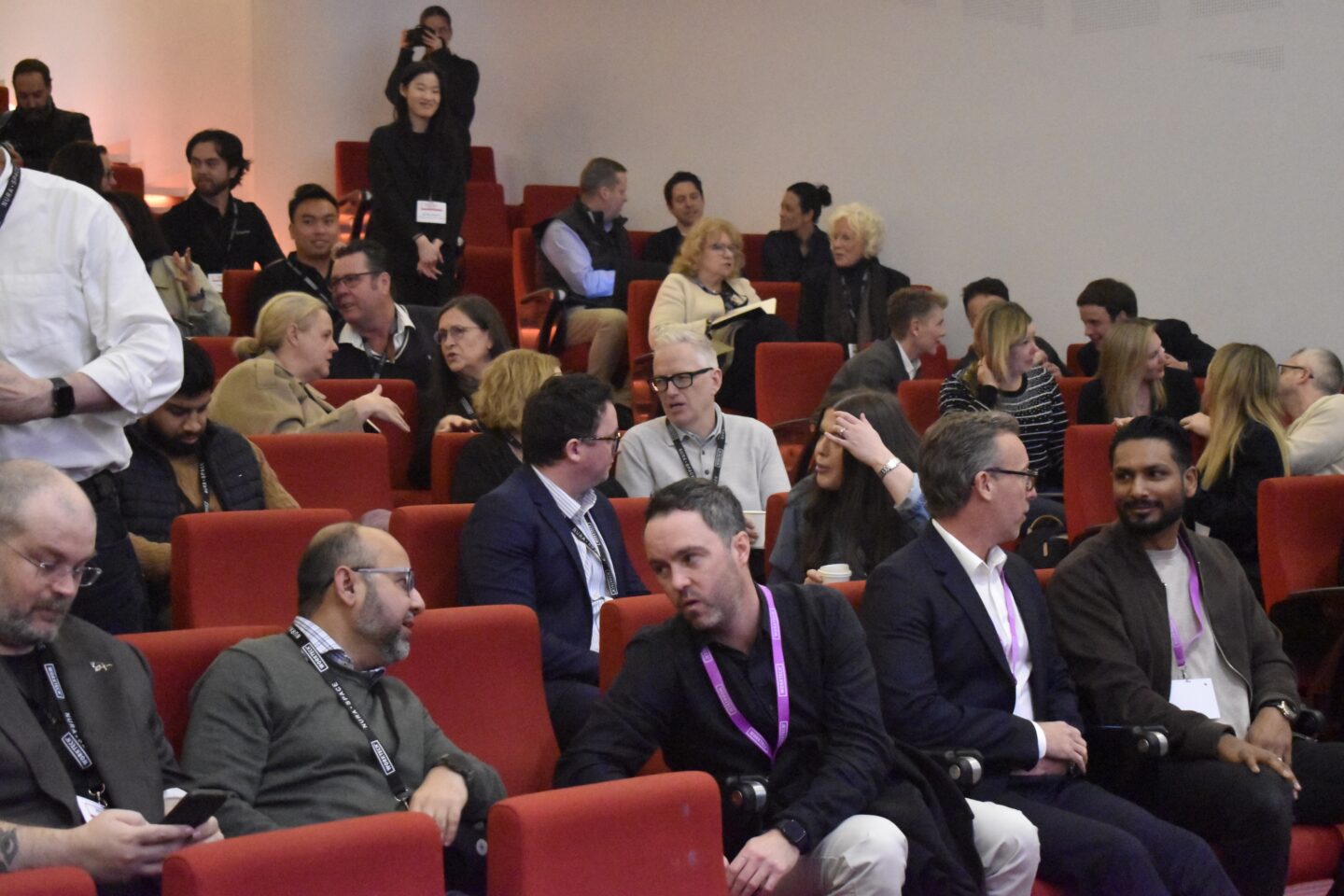
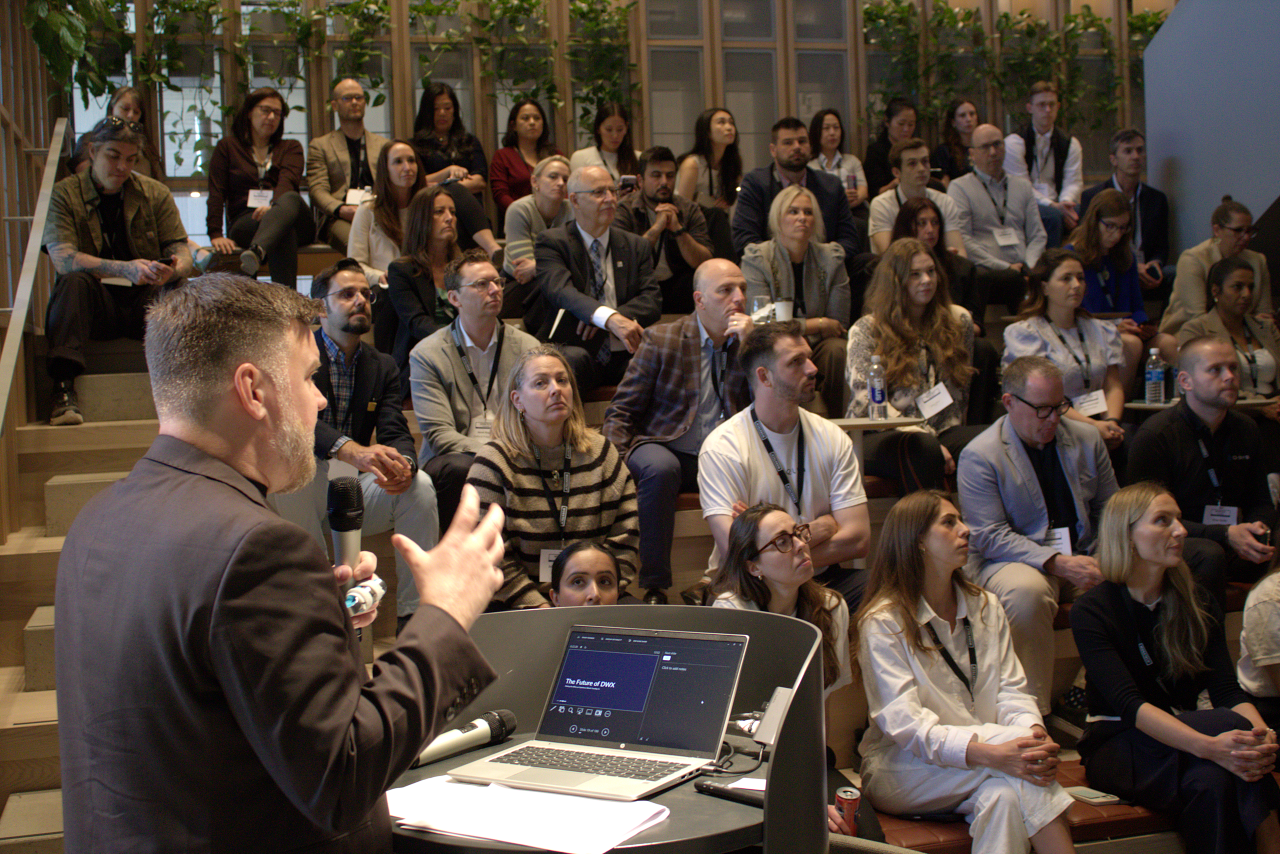
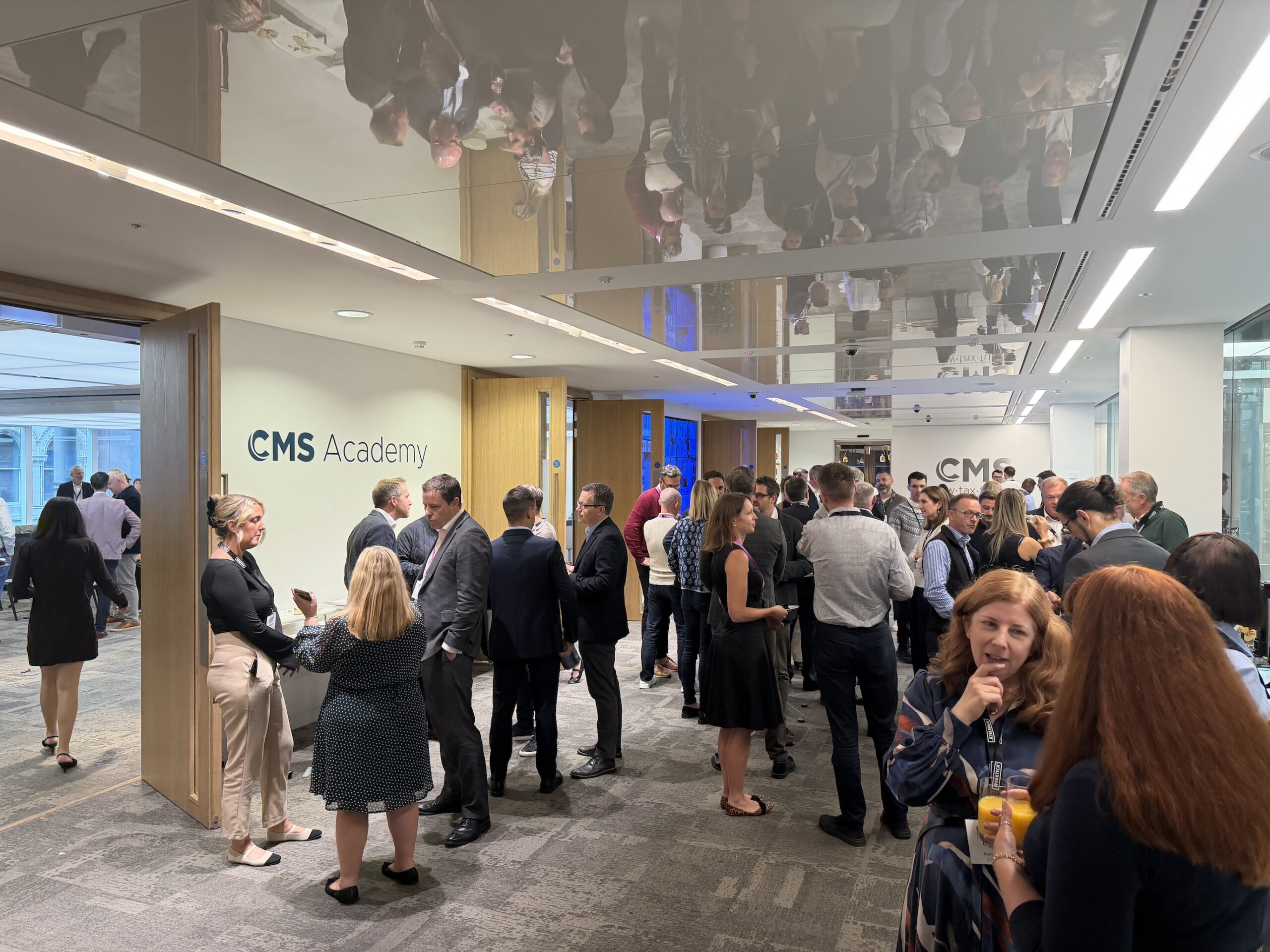
Against an assortment of 100 representatives from law firms, workplace strategy, design and technology, workplace leaders weighed up what the landscape of law could begin to represent at CMS Cameron MacKenna Nabarro Olswang, Cannon Place on Thursday 17th September, for WORKTECH’S latest Future Legal Workplace event.
With fewer people committing to the office on any given day, firms are having to reconsider whether large numbers of permanent private offices remain the most practical or fiscally conscious use of space. Open-plan layouts, shared workspaces and more collaborative environments not only allow for more office-based flexibility but encourage intergenerational mentoring and interaction.
‘Our biggest challenge is headcount uncertainty’ Simon Ryan, Head of Property Negotiations at CMS noted.
It was a sentiment echoed by Louisa Kidson, Director of Property and Workplace at Travers Smith, ‘I don’t think we’ll ever go back to a 5-day week.’
However, it doesn’t come without a level of friction, with open-plan layouts challenging the structural privacy traditionally considered when designing legal spaces to accommodate client privilege. The result has amounted to a balancing act between preserving identity and status, while creating an office that serves how people work today.
‘You don’t have to know the future in order to build for it’ William Higham Strategic Consultant and Founder of William Higham Consulting remarked, ‘you don’t have to have the best ideas, you just need to be the quickest to pivot.’
One of the most enduring strengths of the law firm has traditionally been the knowledge passed from one generation to the next. The challenge for firms lies in ensuring that within a modern way of working, the informal interactions that build professional judgement, confidence and institutional knowledge remain.
It was a sentiment shared by most speakers at the conference, with many noting that junior staff are mandated to be in the office for four or five days of the week, facilitating that collaborative opportunity.
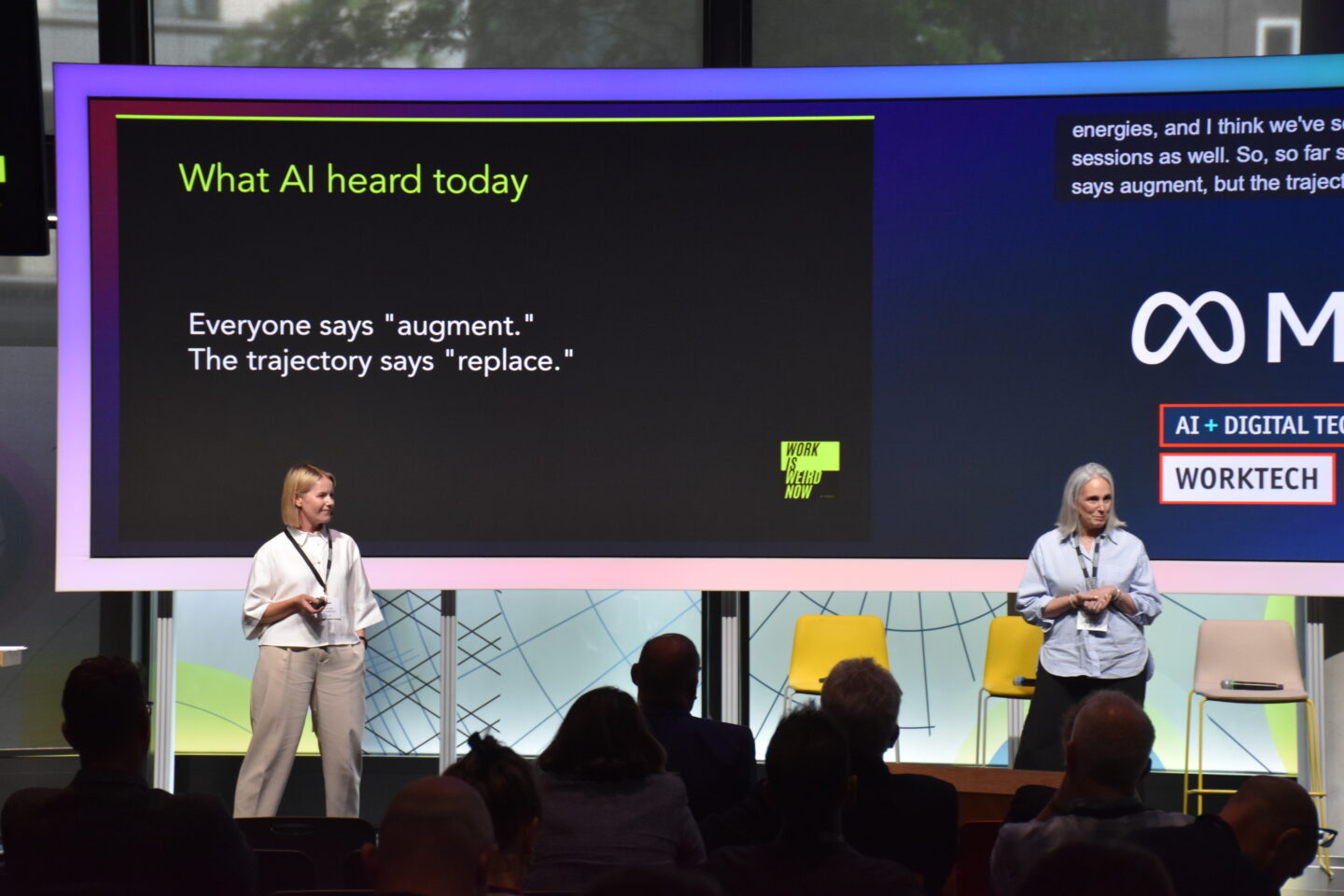
AI is steadily changing not just how legal work is done, but what lawyers spend their time doing. Tasks that have traditionally required hours of research, document review and analysis can increasingly be supported by technology, freeing lawyers to focus on the more complex, strategic or client-facing work. For firms, this efficiency lies in ensuring that it translates into more valuable work. As a result, lawyers will need to diversify their skill sets.
‘Lawyers have almost become salespeople now that they have more time to find work’ noted Paul Byatt, Facilities Services Director at Weil, Gotshal & Manges.
For a profession that has been built in measuring the value of time, AI presents a fundamental challenge. If tech can now complete in minutes what once took hours, billing by the hour risks becoming ever more disconnected from the value delivered to the client; Martin Cotterill, Chief Legal Officer for Thought Machine echoed the sentiment. As AI changes the economics of legal work, firms may need to pivot to output-based compensation.
It seems clear the future of London’s legal sector will not be defined by technology alone, but by how firms choose to embrace the human nuance it can’t afford. The firms that navigate these transitions successfully will be those that embrace the efficiencies of technology while creating space for the professionals to do what they do best.
For a more extensive recap of Legal Workplace26 London, by WORKTECH Academy, click here.