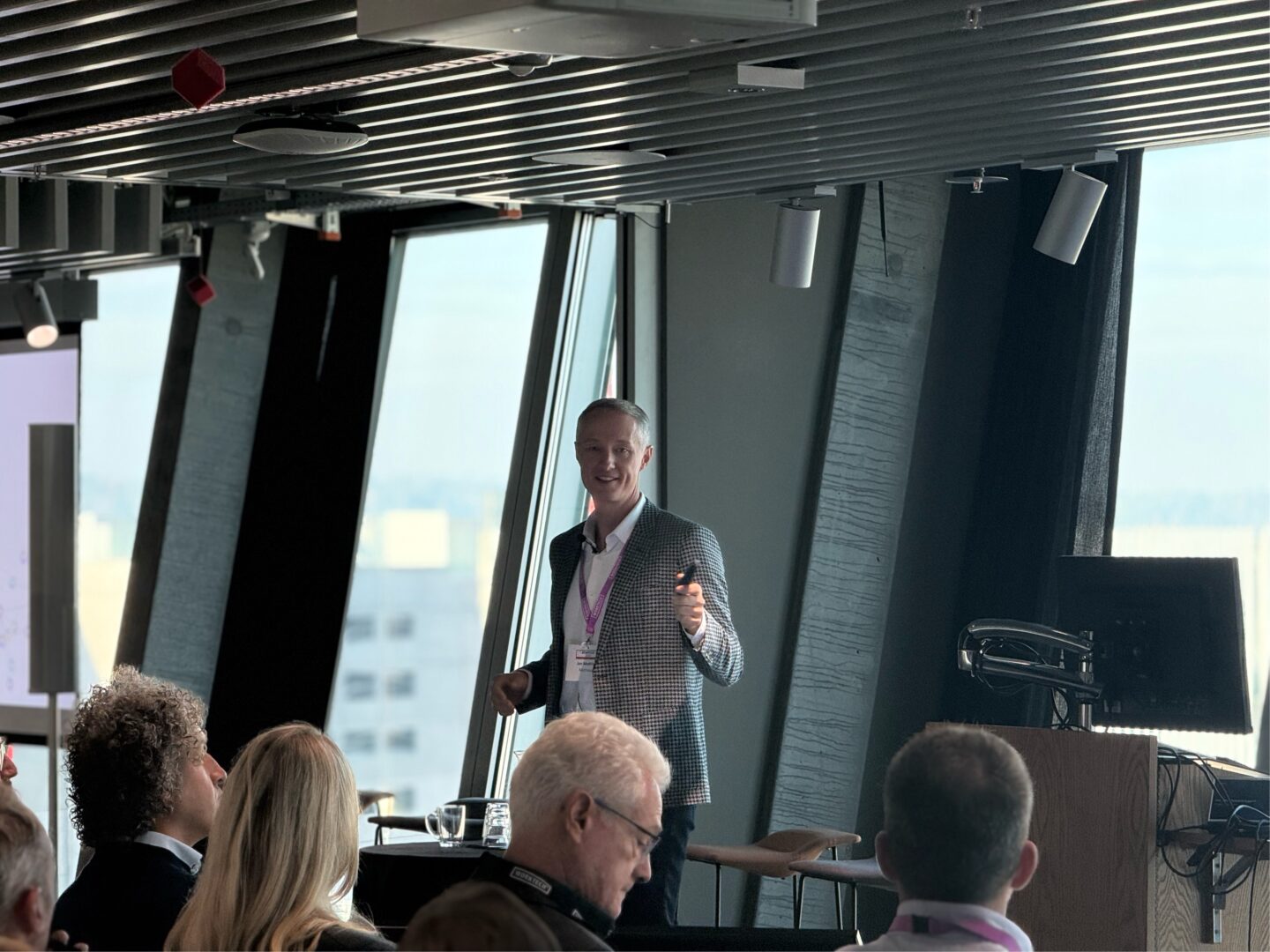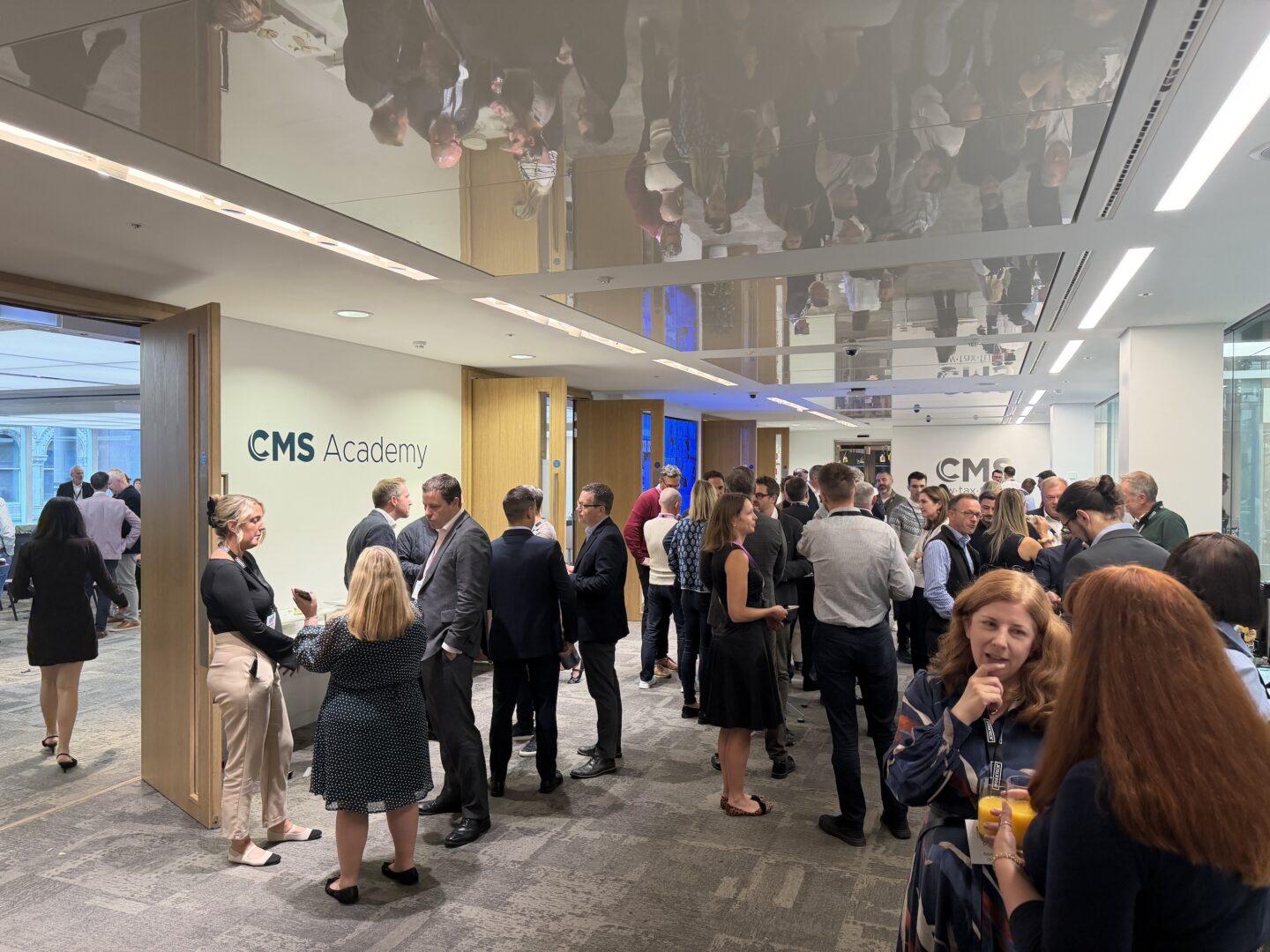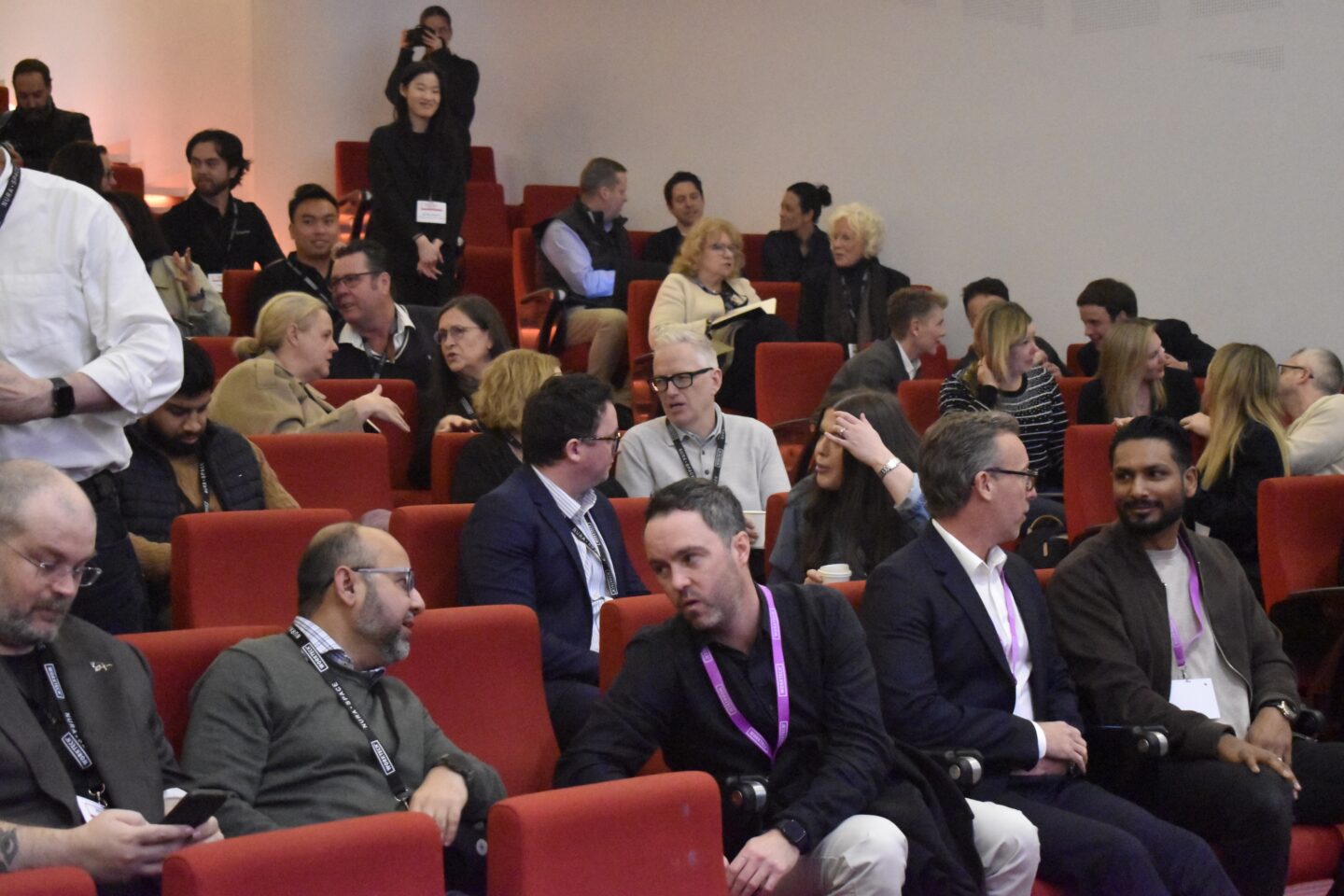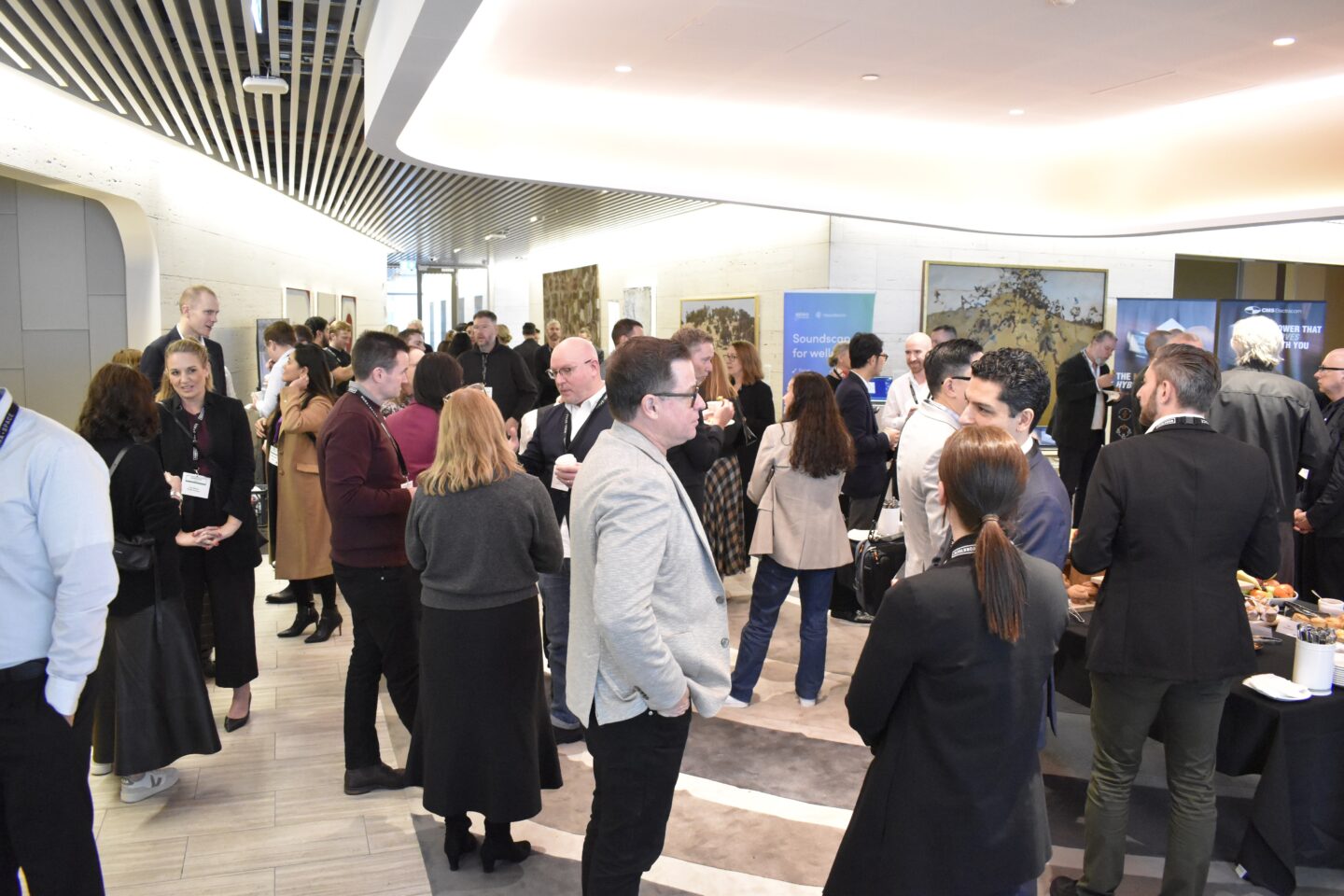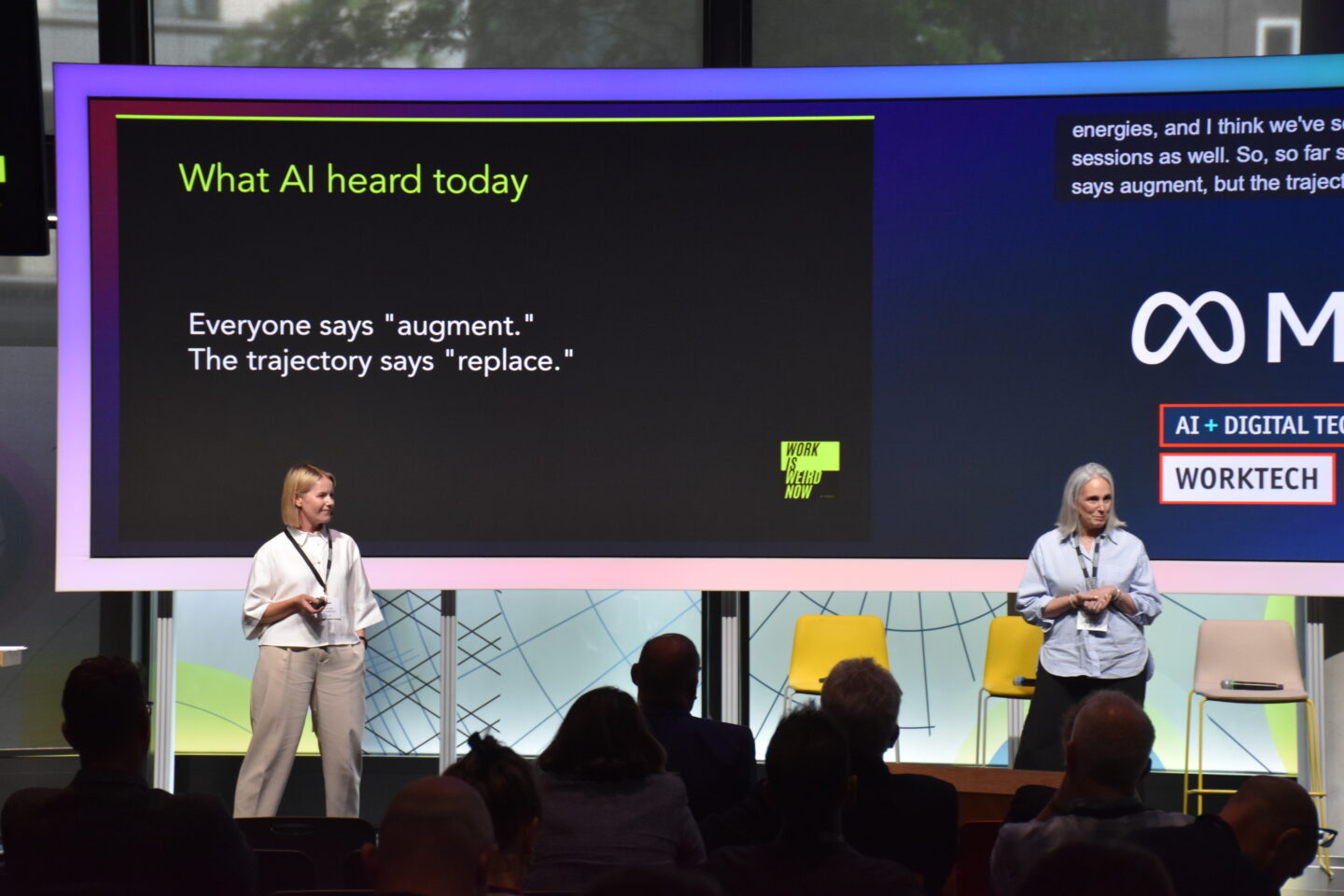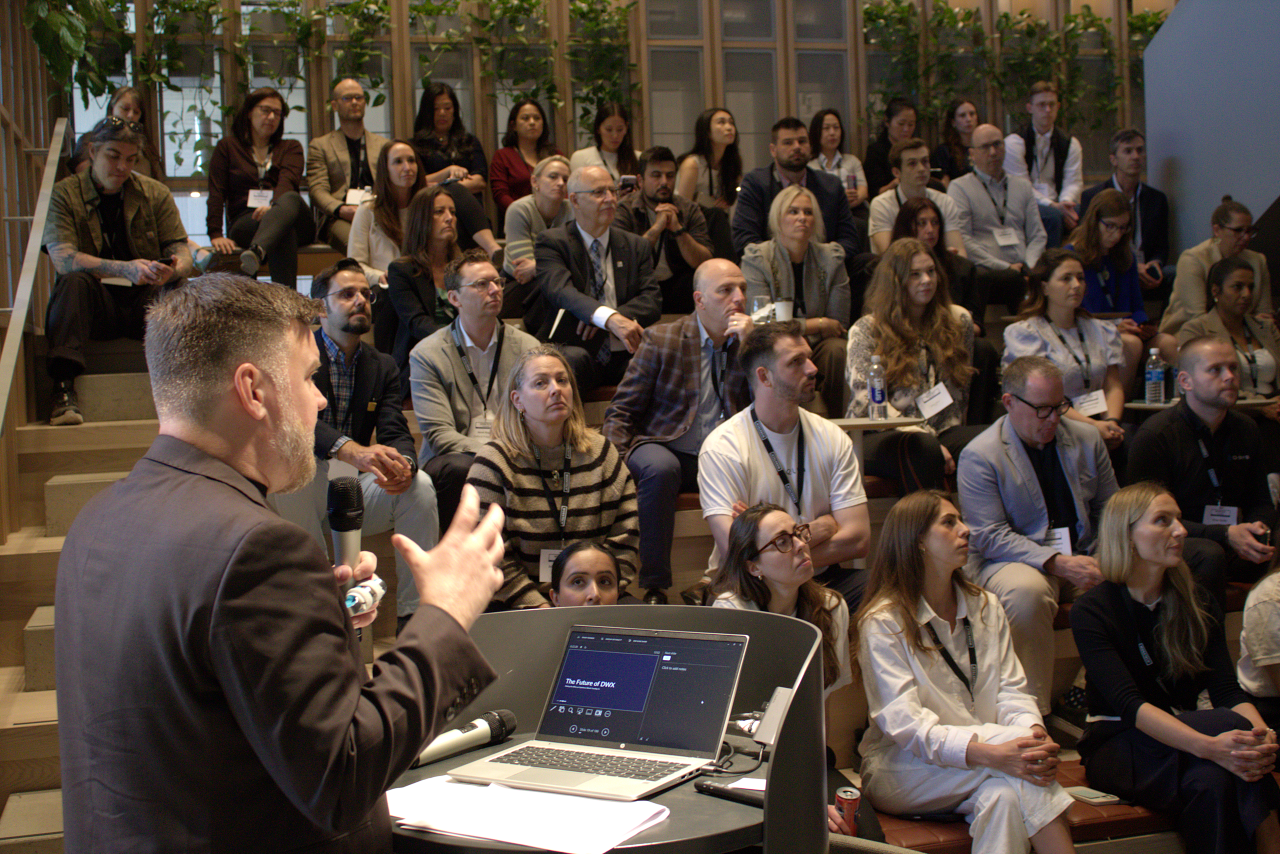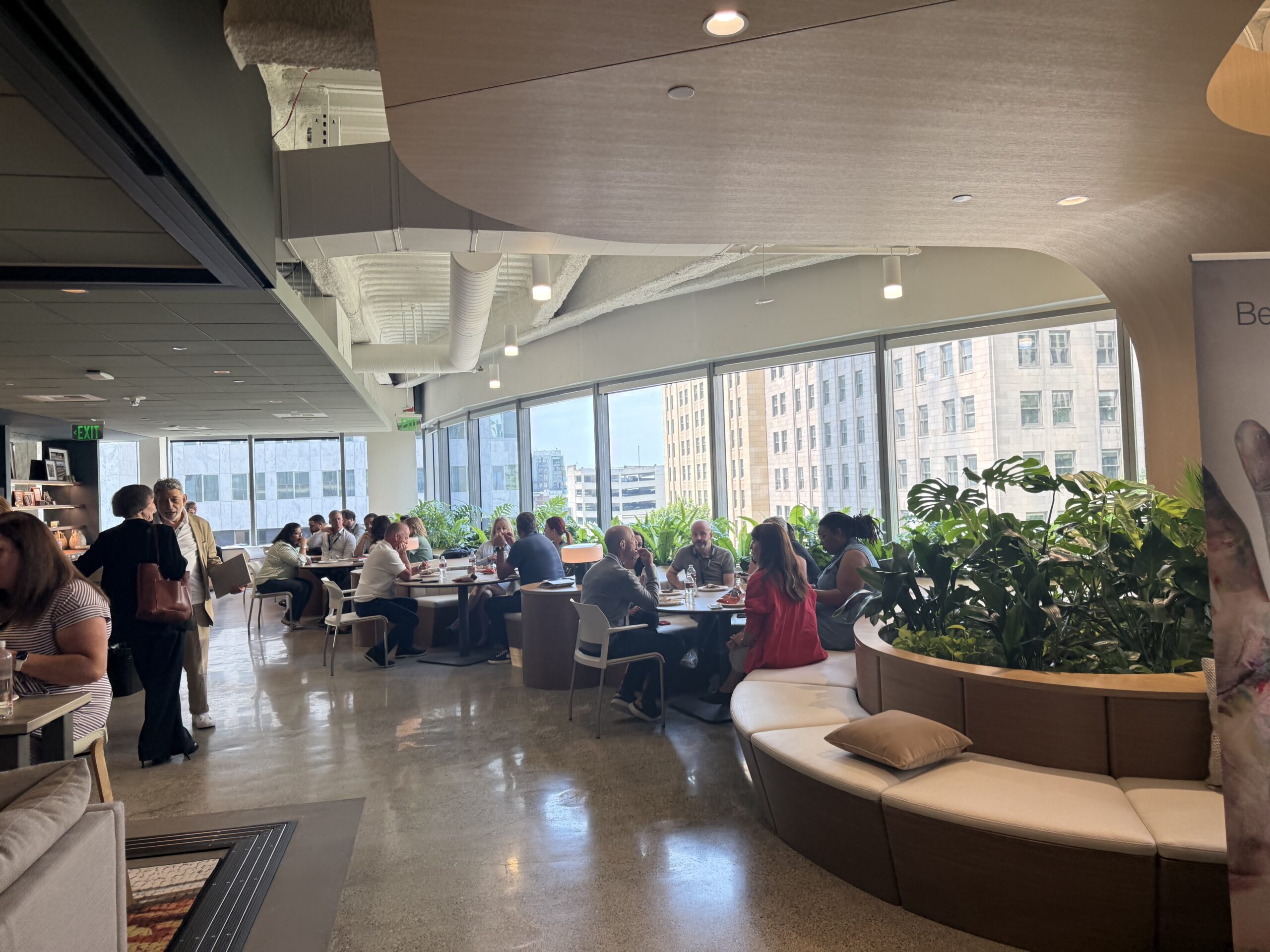
At WORKTECH Seattle, conversations ranged from AI and adaptive workplaces to data, design and employee experience. But again and again, they came back to something much more fundamental: human connection.
For me, one of the most consequential data points shared was how much everyday interaction has disappeared from modern life. We can order food without speaking to anyone, use self-checkout, banking can happen from an app on our phones, and the list goes on.
As those small moments of connection disappear elsewhere, the workplace may become even more important as a place where people encounter and connect with one another.
But that doesn’t mean that people want to come into the office.
So, that changes the question from “How do we get people back to the office?” to “How do we make it worth showing up?”
For many people, the office is no longer where work has to happen. Its value increasingly comes from what is harder to recreate remotely: the unexpected conversation, the chance encounter, the opportunity to learn by being around others. I found it especially intriguing to hear from a remote-first company who intentionally design office spaces to create opportunities for people to “bump” into each other.
Creating that experience starts with understanding how people are actually using the workplace.
Occupancy and utilisation data can tell us an important part of that story. When are people coming in? Which spaces are they using? Where is there demand, and where is space sitting empty? Looking at these patterns alongside employee feedback can help organisations move beyond assumptions and better understand what their people need from the office.
The important part is what we do with that information.
One theme from Seattle was to try, test and learn — using data to inform decisions while continually returning to organisational values.
Data can show us what is happening, but understanding employees helps us explore why. Together, those insights can inform everything from programming and policies to future real estate and design decisions. The best news is there is no one size fits all, and for me, that feels like we have an opportunity to lean into the experiment, to adapt as needed, admit when something didn’t work and try again tomorrow.
If we can better understand how our spaces are being used and, more importantly, what employees need from them, we can create workplaces that make it easier to show up and more meaningful when we do.
Because if work can increasingly happen anywhere, the office’s greatest value may not be access to a desk. It is access to one another — and designing a space for those connections to happen.