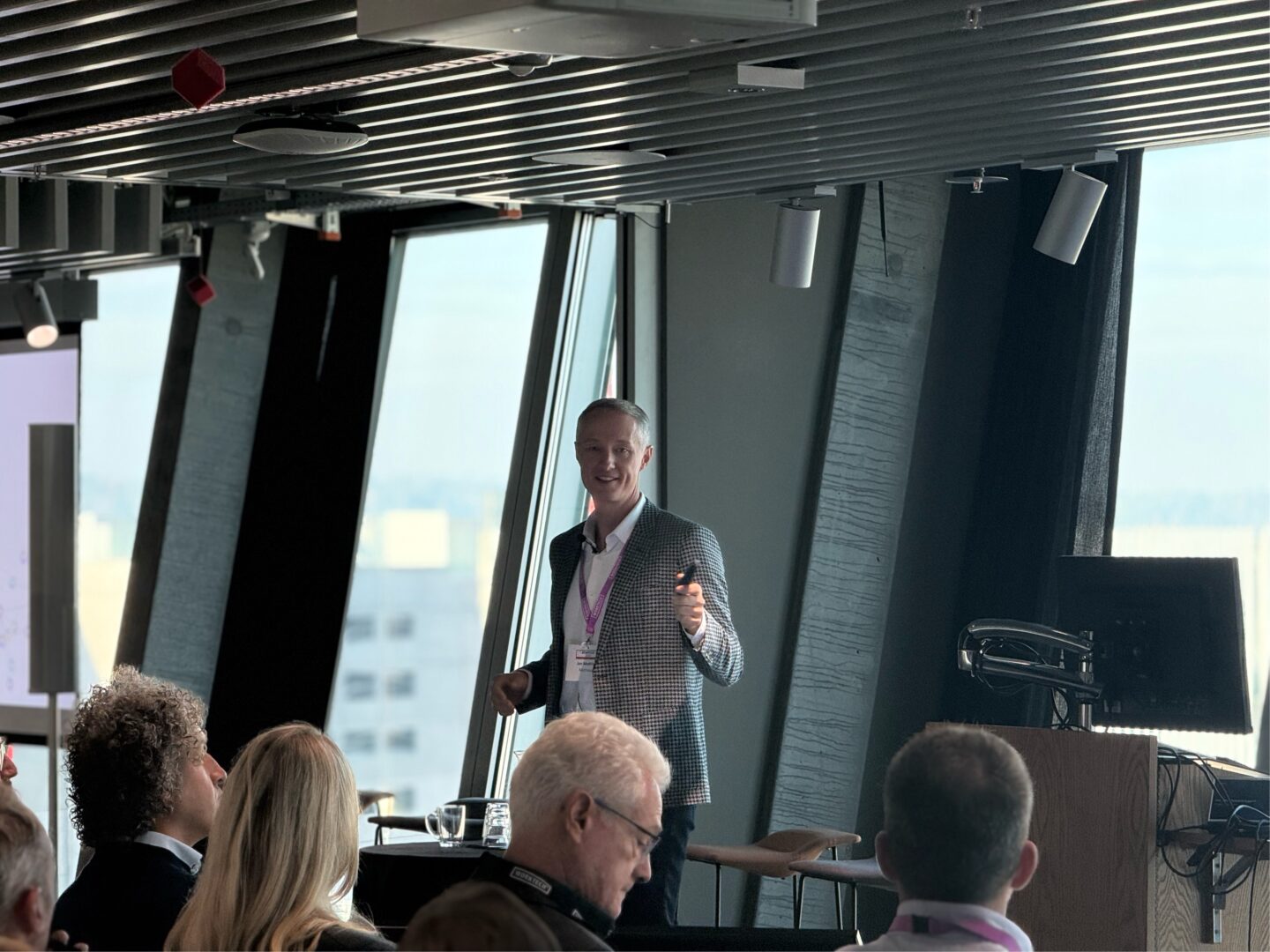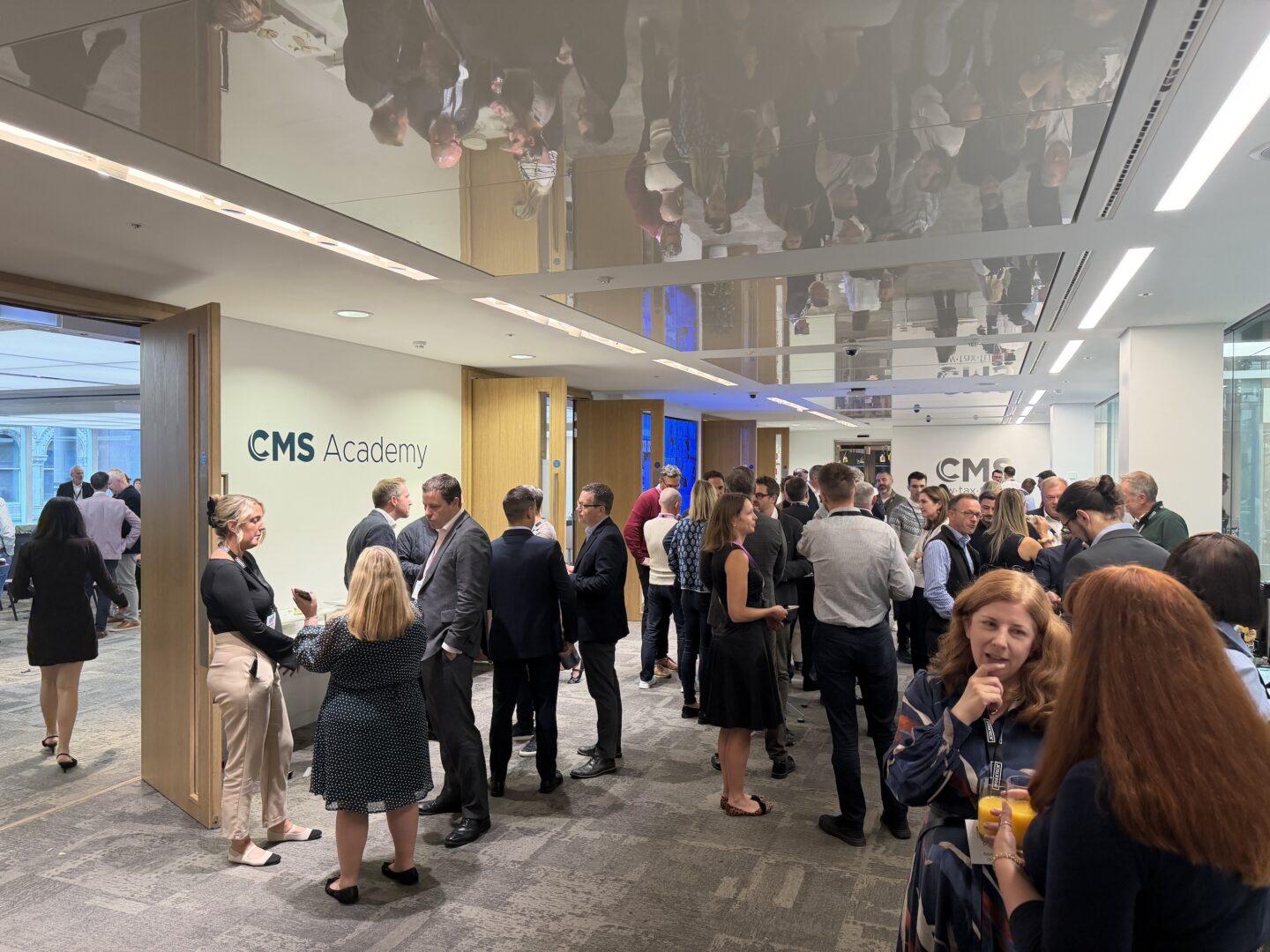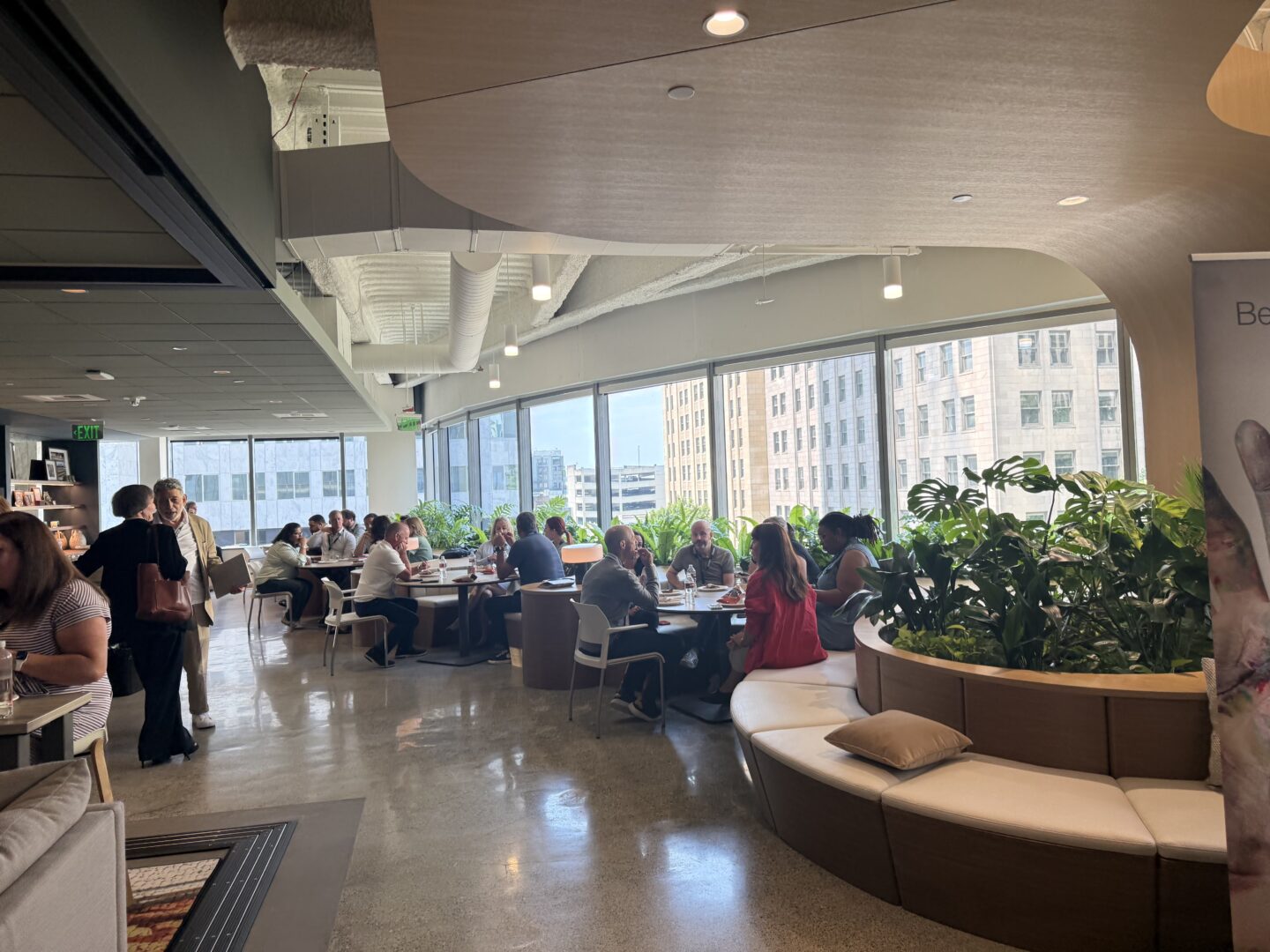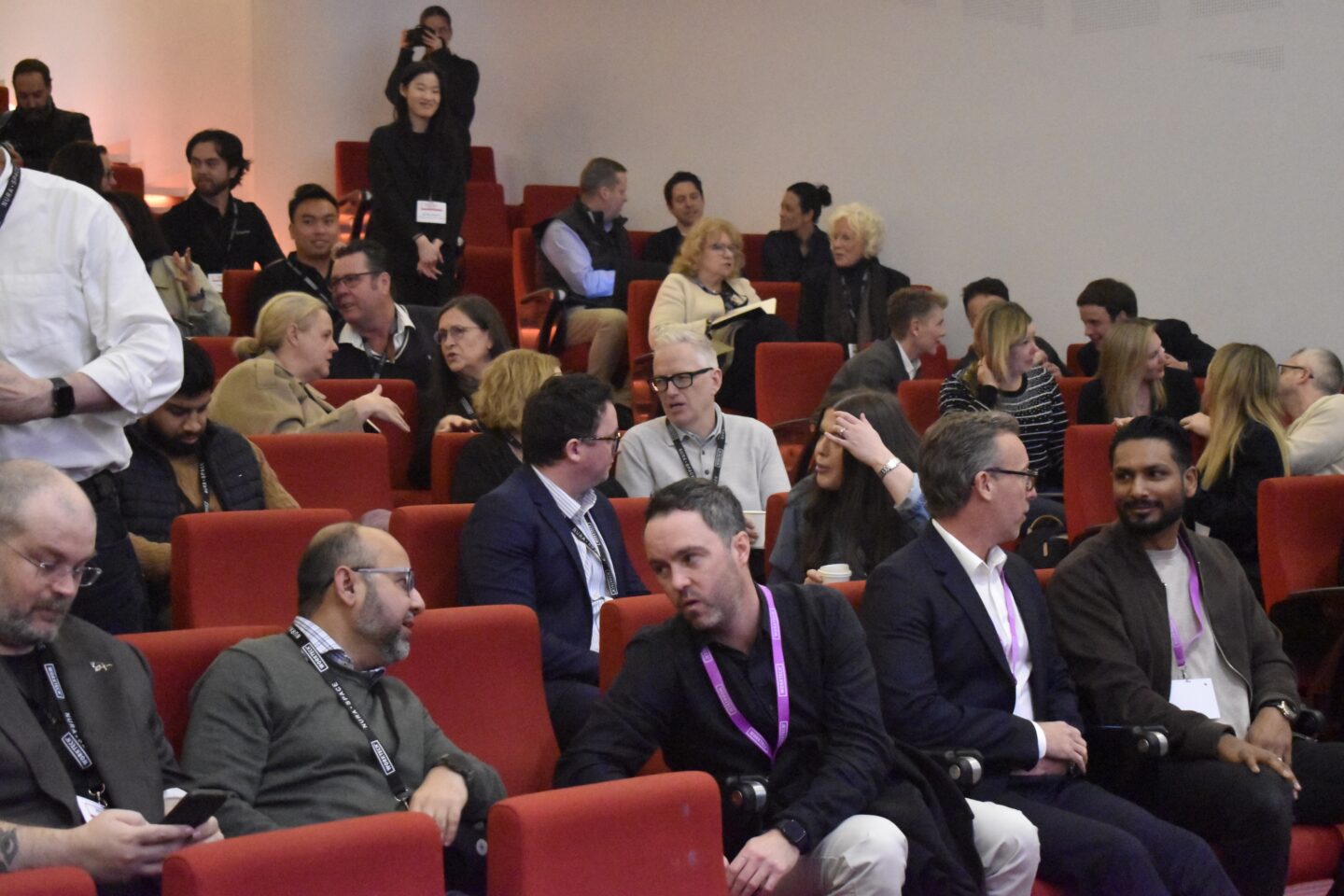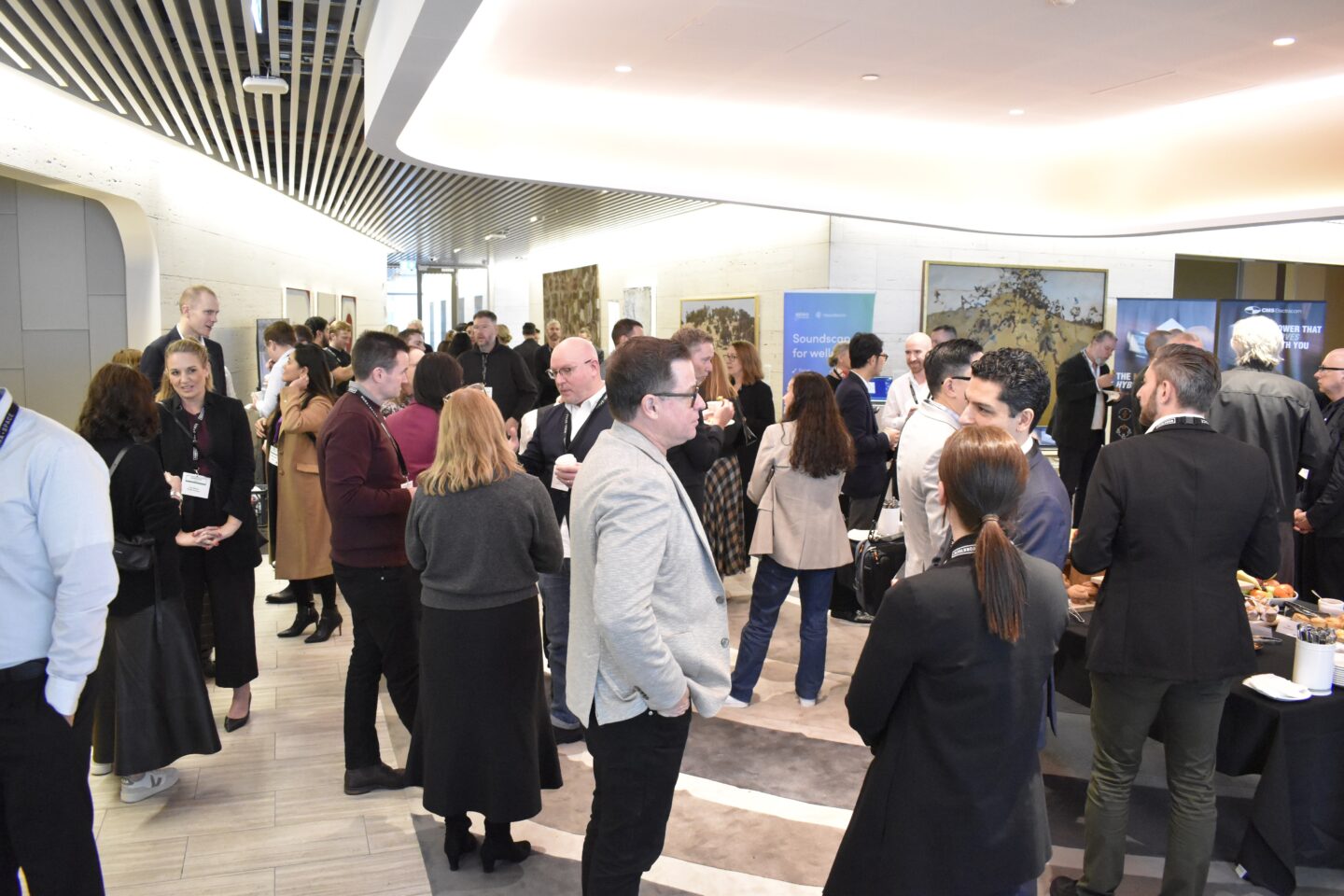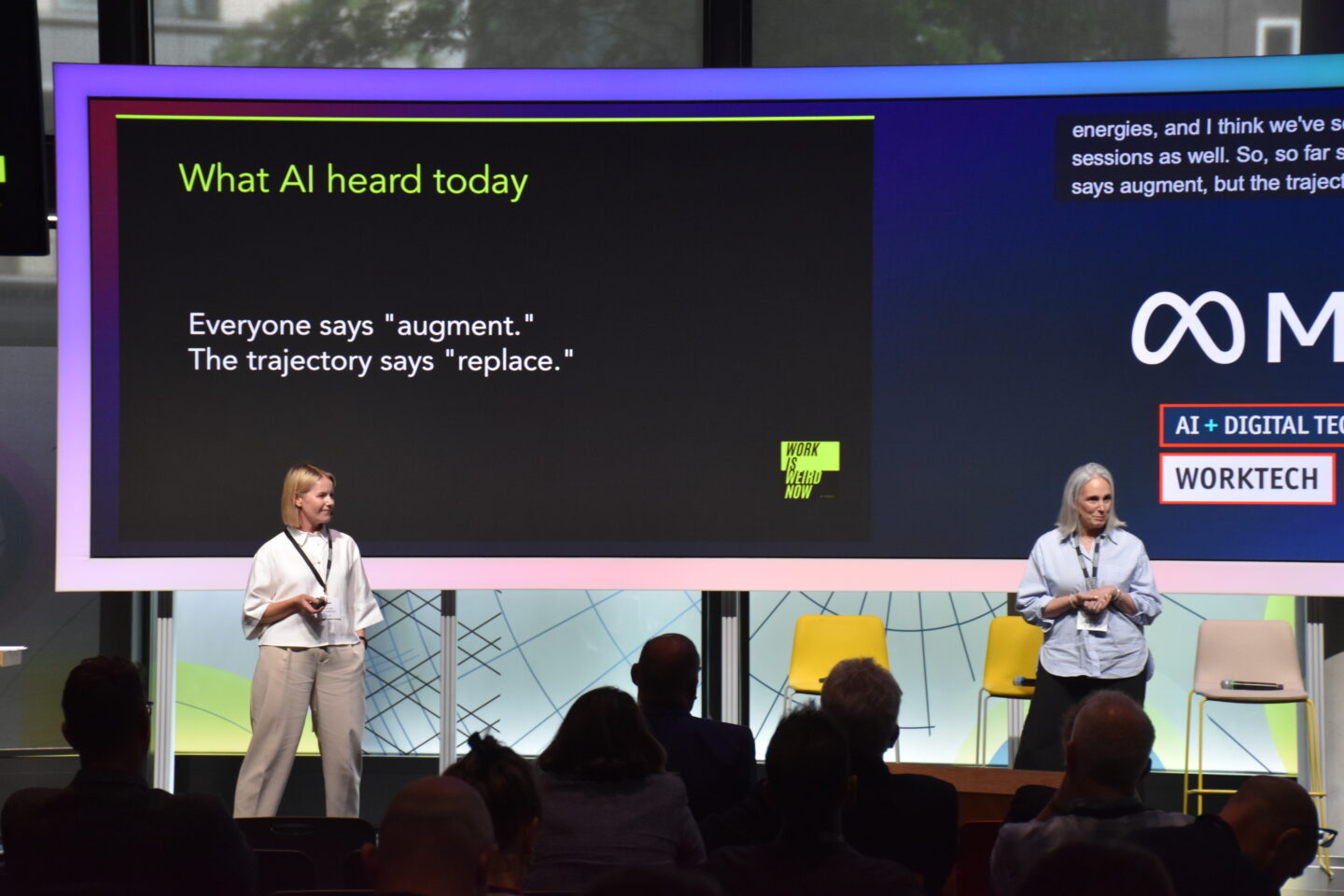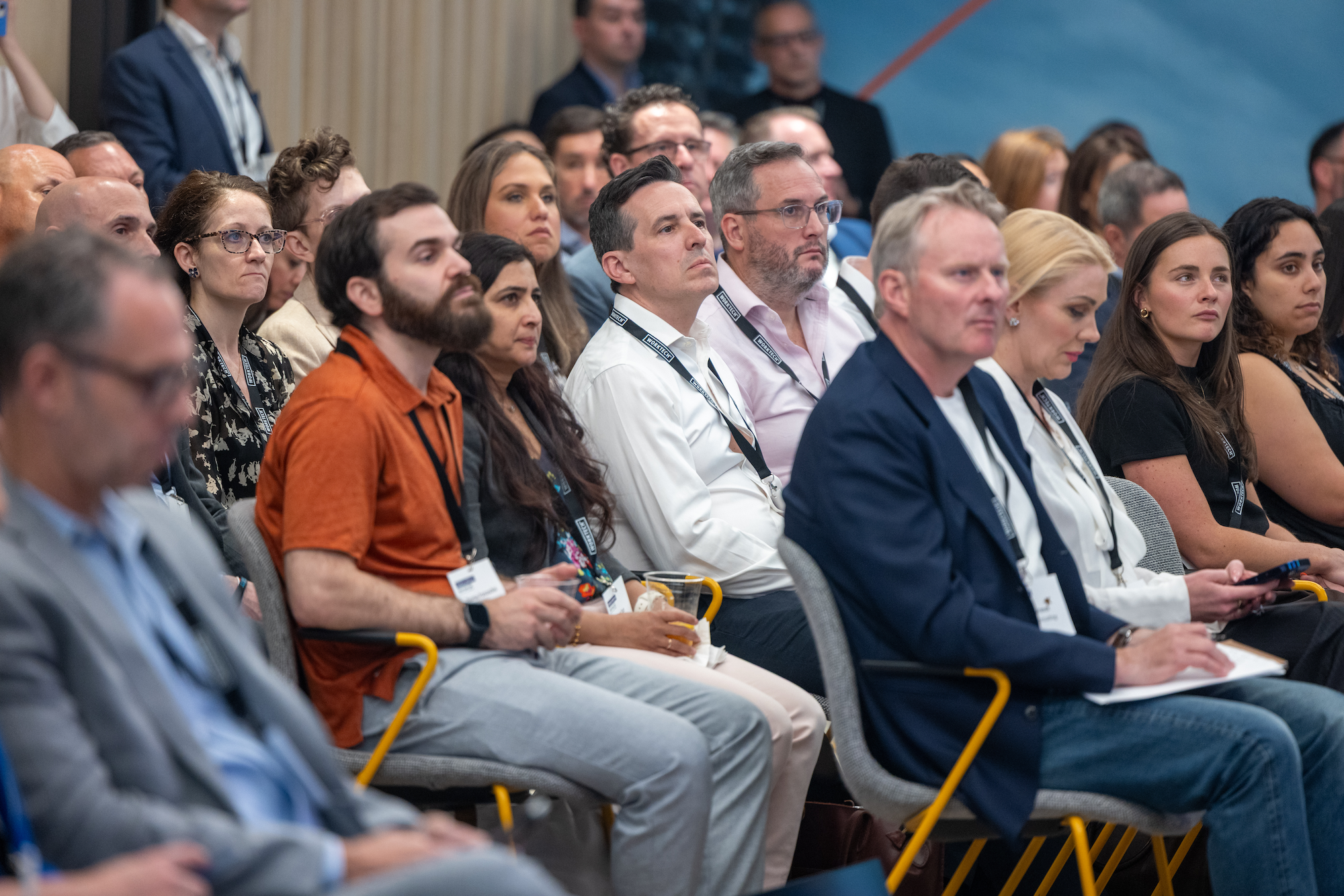
From strategic infrastructure to lived experience, both conferences showed how the financial workplace is being redefined around performance, culture and connection.
If the two recent Financial Workplace conferences in London and New York revealed anything, it is that the office is no longer being judged simply on efficiency, density or design. In both cities, the conversation moved decisively toward a broader question: how does the workplace help people perform, connect, innovate and stay engaged in a period of technological upheaval, changing work patterns and rising expectations?
London approached that question through the lens of strategy. The event opened on the theme of ‘purpose, performance and planet’, immediately linking workplace decisions to ESG, regulation, investor pressure and the wider role of the office in financial services. The tone was clear from the outset: return-to-office policies may set the baseline, but they are not enough on their own. Employers now must create environments that genuinely attract people back through better experience, stronger amenities, and more meaningful reasons to be there.
What made the London conference distinctive was the way it framed the office as part of a much wider system. Speakers returned repeatedly to the idea that workplace quality does not stop at the front door. The journey in, the surrounding public realm, the quality of the wider city and the sense of destination all now shape how an office is perceived. In that sense, London cast the workplace as strategic infrastructure: something that sits at the intersection of real estate, talent, sustainability and city-making.
That strategic framing was reinforced by one of the day’s clearest practical case studies, M&G’s presentation on workplace data. They argued that hybrid working had exposed a capability gap between what workplace teams were being asked to manage and the fragmented systems available to them. The answer was not more dashboards for their own sake, but a more mature model built around ownership, governance, integration and adoption. Better data, in this context, meant better operational decisions, stronger sustainability outcomes and more confidence in where to invest.
London also pushed the discussion beyond systems into the employee value proposition. Standard Chartered’s headquarters refurbishment offered a strong example of how an existing building could be reworked to support collaboration, improve client confidence, create more varied settings and encourage people back into the office. Later discussions on workplace leadership and portfolio strategy made a similar point: the office is no longer just a cost to control, but a tool for culture, growth and resilience.
New York covered much of the same ground, but with a different accent.
If London focused on strategy, governance and city context, New York was more concerned with intentionality, activation and lived experience.
The opening exchanges immediately surfaced the key industry tensions: employee experience had become the top optimisation goal, but organisations were still struggling with fragmented systems, weak data integration, difficulty proving ROI and the challenge of making good decisions in an environment of constant change.
What stood out in New York was the framing of the workplace as an intentionally designed system. Early sessions argued that the office now has to bring together real estate, technology, programming, operations and data into a coherent experience. Rather than being treated as a static container for work, the office was described as something active and curated: a place that should support different job families in different ways, reduce friction throughout the day, and evolve in response to behaviour rather than assumption.
The day’s most dramatic physical example was the deep dive into J.P. Morgan’s 270 Park Avenue, presented as a symbol of where the financial workplace is heading. It was described as a ‘city within a city’: all-electric, hospitality-led, highly secure, deeply data-enabled and designed around wellbeing, collaboration and client experience. Yet even here, the emphasis was not simply on architectural scale. The building was presented as a strategic expression of culture, service and long-term business intent.
As the New York conference progressed, hospitality emerged as an even stronger theme. What began as a discussion about systems, buildings and tools evolved into a more human conversation about service, emotion and engagement. By the later sessions, the office was being discussed less as a place to house work and more as an environment that should offer energy, flexibility, community and experiences people cannot get elsewhere. It was a subtle but important shift: from infrastructure to feeling, from space to service.
The overlap between the two conferences was striking. Both argued that the old workplace metrics are no longer enough. Both treated data as essential but insufficient without trust, interpretation and cross-functional alignment. Both saw AI as a force that will change workplace operations and decision-making, but only where the underlying data is integrated and credible. And both suggested that the future office will be judged increasingly on how well it supports human performance rather than how efficiently it packs in desks.
But the differences mattered too. London was the more institutional of the two: more focused on portfolio strategy, resilience, ESG, executive alignment and the role of the office within the wider city. New York was the more experiential: more focused on activation, hospitality, workplace programming and the office as a curated human experience.
Put simply, London asked how the workplace fits into a business and a city. New York asked how the workplace feels when people are actually in it. Both questions now seem essential.
Taken together, the two conferences suggested a clear direction of travel for the financial workplace. The office is no longer just a backdrop to work, nor simply a real estate asset to optimise. It is becoming a strategic platform for performance, culture, resilience and connection.
In London, that idea was expressed through strategy, data and urban context. In New York, it came through intentional design, activation and hospitality.
The conclusion, however, was the same in both cities: the future workplace will belong to organisations that can make the office not just functional, but genuinely valuable.